Battery Energy Storage Systems (BESS) are transforming the way we generate, store, and use electricity, paving the way for a cleaner and more sustainable energy future. By capturing energy from renewable sources like solar and wind and releasing it when needed, BESS enhances grid reliability, supports renewable energy integration, and reduces dependence on fossil fuels. This blog explores how battery energy storage works, its key components, and why it's a cornerstone of the transition to a sustainable energy ecosystem.
Battery Energy Storage Systems are designed to store electricity efficiently and release it strategically to meet energy demands. Their ability to bridge the gap between energy production and consumption makes them vital for modern energy systems, particularly as renewable energy adoption grows.
The process begins when renewable energy sources, such as solar panels or wind turbines, generate excess electricity. This surplus energy is directed to charge the batteries, converting electrical energy into chemical energy stored within the battery cells. This capability ensures that energy produced during peak generation periods, like sunny afternoons or windy days, is not wasted but preserved for later use.
Once charged, the batteries hold the chemical energy until it's needed. This storage function is critical for overcoming the intermittent nature of renewable energy sources. For instance, solar panels produce no electricity at night, and wind turbines depend on variable wind speeds. By storing energy during periods of abundance, BESS ensures a steady supply is available even when renewable sources are not actively generating power.
When energy demand rises—whether for homes, businesses, or the grid—the stored chemical energy is converted back into electrical energy and released. This discharging process allows BESS to provide power during peak usage times, grid outages, or when renewable generation is low, ensuring a reliable and flexible energy supply.
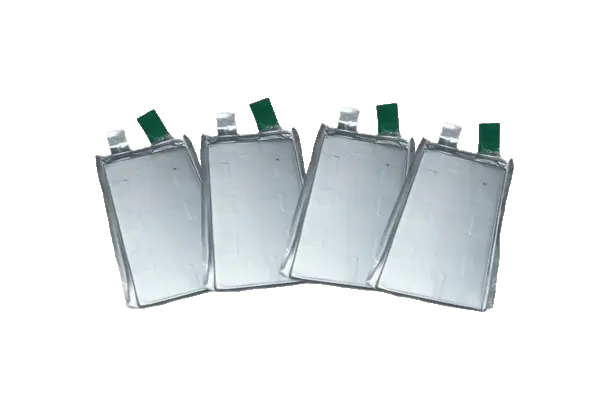
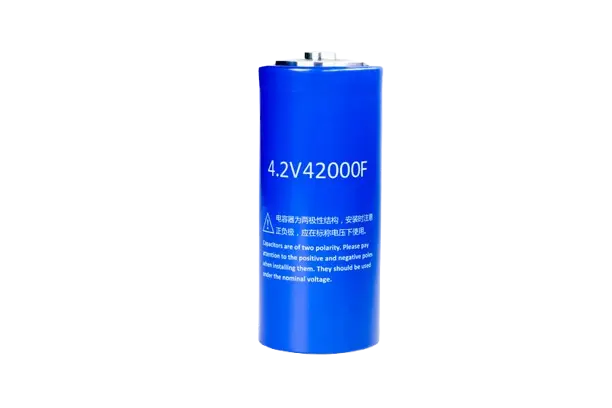
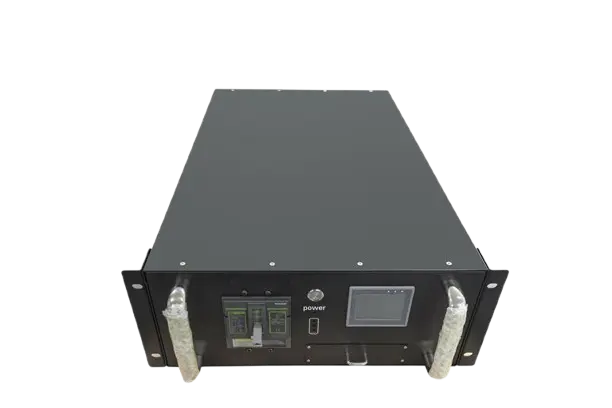
A Battery Energy Storage System comprises several essential components that work together to ensure efficiency and safety. The battery pack serves as the core, storing the energy. An inverter converts the direct current (DC) from the batteries into alternating current (AC) suitable for most appliances and grid integration. A Battery Management System (BMS) monitors and optimizes the charging and discharging processes, enhancing battery performance and longevity. Additional components, such as safety mechanisms and grid connection interfaces, ensure seamless operation and compliance with grid standards.
The significance of BESS extends beyond their technical functionality. They play a pivotal role in enabling a sustainable, reliable, and cost-effective energy landscape, addressing multiple challenges in the transition to clean energy.
Battery storage is a game-changer for renewable energy integration. The intermittent nature of solar and wind power can create challenges for grid operators, as energy production may not align with demand. BESS solves this by storing excess energy when production is high and releasing it when needed, ensuring a consistent and reliable energy supply. This capability allows utilities to scale up renewable energy use without compromising grid stability.
BESS contributes to grid stability by balancing supply and demand in real time. These systems can respond rapidly to fluctuations in electricity demand, preventing power outages and maintaining a steady flow of energy. By acting as a buffer, BESS helps utilities manage sudden spikes in demand or unexpected drops in generation, ensuring a reliable power supply for consumers.
Battery storage systems can reduce strain on the grid during peak demand periods, such as hot summer afternoons when air conditioning use surges. By discharging stored energy during these times, BESS lowers the need for expensive, fossil-fuel-based peak power plants, reducing costs for utilities and consumers. For commercial customers, BESS also helps manage demand charges by smoothing out energy usage, leading to significant savings on electricity bills.
During grid outages, BESS serves as a reliable source of backup power. This is particularly crucial for critical infrastructure, such as hospitals, data centers, and emergency services, where uninterrupted power is essential. By storing energy for use during outages, BESS ensures these facilities remain operational, enhancing resilience and safety.
Microgrids—small, localized grids that can operate independently from the main grid—rely heavily on battery storage. BESS enables communities to maintain power during emergencies or planned outages, fostering resilience. For example, a community with a microgrid powered by solar panels and BESS can continue to function during natural disasters or grid failures, providing critical energy security.
By maximizing the use of renewable energy, BESS significantly reduces dependence on fossil fuels. This shift leads to lower greenhouse gas emissions, contributing to a cleaner environment and helping combat climate change. As more regions adopt BESS, the global energy mix becomes greener, aligning with sustainability goals.
While the upfront costs of BESS can be significant, they offer long-term financial benefits. By optimizing energy consumption, reducing peak demand charges, and minimizing reliance on costly fossil fuel-based power, BESS delivers cost savings for both consumers and businesses. As battery technology advances and economies of scale drive down costs, these savings are expected to grow, making BESS an increasingly attractive investment.
Battery Energy Storage Systems are at the heart of the transition to a sustainable energy future. By enabling the efficient storage and use of renewable energy, stabilizing the grid, and reducing reliance on fossil fuels, BESS is reshaping how we power our world. From supporting microgrids to providing backup power and driving cost savings, these systems offer versatile solutions for a cleaner, more reliable energy ecosystem. As technology continues to evolve, BESS will play an increasingly vital role in building a sustainable and resilient energy future.
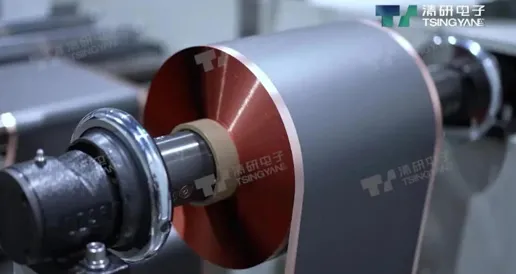 Tsingyan Electronics End‑to‑End Intelligent Dry‑Electrode Production‑Line Solution: From Powder Homogenization to Film‑Forming & Lamination
 Accelerating Cutting‑Edge Technology Innovation! BTR and Tsingyan Electronics Embark on a New Journey for Dry‑Electrode Industrialization
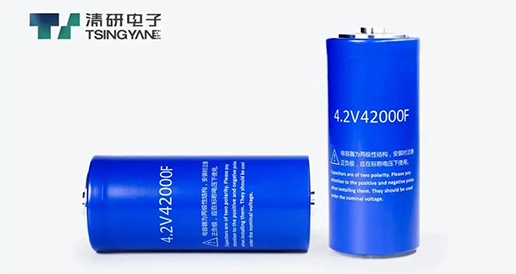 What is the Difference Between Supercapacitors and Batteries?

 English
 日本語
日本語 한국어
한국어 français
 Deutsch
 Español
 italiano
 русский
 português
 العربية
 tiếng việt