Lithium-ion batteries have transformed the landscape of portable power and energy storage, becoming essential in devices ranging from smartphones to electric vehicles. Their widespread adoption across various applications highlights their importance in modern technology. However, like any technology, they come with both advantages and challenges. This article explores the benefits and drawbacks of lithium-ion batteries, tailored to the needs of individuals with boats, campers, robotics, ham radios, and off-grid power systems.
Lithium-ion batteries are celebrated for their high energy density, which allows them to store substantial energy in a compact and lightweight form. This makes them particularly suitable for applications where minimizing space and weight is critical, such as in portable electronics or marine equipment. Their ability to pack significant power into small packages far exceeds that of many other battery types, making them a preferred choice for demanding scenarios.
Another key benefit is their long cycle life. With proper care, these batteries can endure numerous charge and discharge cycles, often lasting several years before significant capacity loss occurs. This durability translates into cost-effectiveness over time, as users can rely on them for extended periods without frequent replacements. The longevity of lithium-ion batteries is especially valuable for off-grid enthusiasts and those using them in remote settings.
Fast charging is another standout feature, enabling quick recharges that are particularly advantageous for campers and boaters who need to power devices or systems on the go. Advances in charging technology have further enhanced this capability, reducing downtime and improving usability in dynamic environments. This rapid recharge ability ensures that users can maintain operational efficiency even during short stops.
Additionally, lithium-ion batteries exhibit a low self-discharge rate, meaning they retain their charge for extended periods when not in use. This characteristic is ideal for emergency backup systems or ham radio operators who require dependable power on demand. The minimal charge loss during storage ensures that these batteries are ready for use when needed, providing reliability in critical situations.
The versatility of lithium-ion batteries is further demonstrated by their availability in a wide range of sizes and shapes. This adaptability allows them to meet diverse needs, from compact batteries for handheld devices to larger units for powering boat motors or robotic systems. Advances in manufacturing have enabled this flexibility, ensuring that users can find a battery tailored to their specific requirements.
Despite their many benefits, lithium-ion batteries have notable drawbacks, starting with their high initial cost. Compared to other battery types, they require a larger upfront investment, which can be a barrier for budget-conscious users. Although costs have been decreasing over time, the price remains a significant consideration for those planning their power solutions.
Another limitation is their finite lifespan. While they offer a robust cycle life, their overall capacity gradually diminishes with use, necessitating eventual replacement. This degradation can lead to increased long-term costs, particularly for applications requiring consistent performance over many years. Users must plan for this inevitable decline when integrating lithium-ion batteries into their systems.
Safety is a critical concern, as lithium-ion batteries can be susceptible to thermal runaway, a condition that may result in fires or explosions under extreme circumstances. Proper handling, storage, and robust safety mechanisms are essential to mitigate these risks. Users must prioritize safety protocols to prevent potential hazards, particularly in high-stakes environments like boats or off-grid setups.
The environmental impact of lithium-ion batteries is another significant drawback. The extraction of lithium and other rare materials, coupled with challenges in disposal, can harm ecosystems if not managed responsibly. Sustainable recycling practices are crucial to minimizing this impact, but they require widespread adoption and infrastructure to be effective. Users must consider the ecological footprint of their battery choices.
Finally, lithium-ion batteries are sensitive to temperature extremes, performing optimally only within a specific range. This sensitivity can limit their suitability for outdoor applications where temperatures fluctuate widely, such as in certain camping or marine environments. Effective thermal management is necessary to maintain performance, adding complexity to their use in challenging conditions.
Lithium-ion batteries offer a compelling combination of high energy density, long cycle life, fast charging, low self-discharge, and versatile designs, making them a powerful solution for a range of applications. However, their high cost, limited lifespan, safety risks, environmental impact, and temperature sensitivity present challenges that users must carefully navigate. For individuals with boats, campers, robotics, ham radios, or off-grid power needs, understanding these trade-offs is essential to making informed decisions about incorporating lithium-ion batteries into their systems.
 September Event Preview | Tsingyan Electronics Invites You to Upcoming Industry Summits
 Dynamic‑China Investigation Tour: Behind the High‑demand CCL, Shenzhen’s Innovation Power
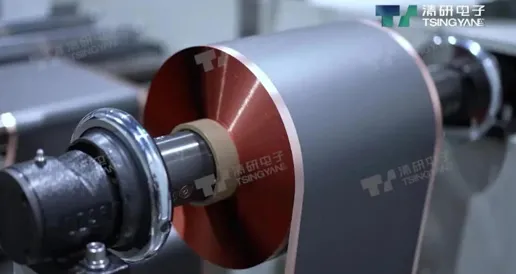 Tsingyan Electronics End‑to‑End Intelligent Dry‑Electrode Production‑Line Solution: From Powder Homogenization to Film‑Forming & Lamination

 English
 日本語
日本語 한국어
한국어 français
 Deutsch
 Español
 italiano
 русский
 português
 العربية
 tiếng việt