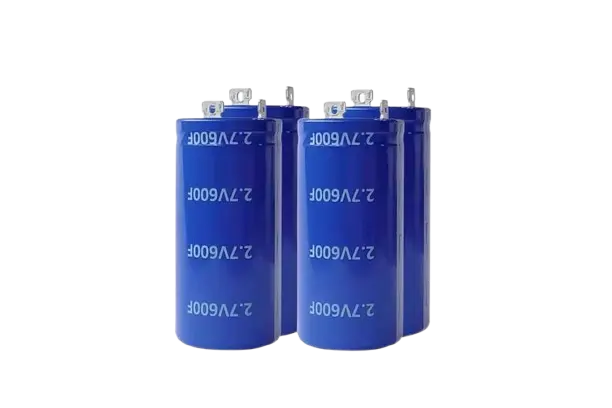
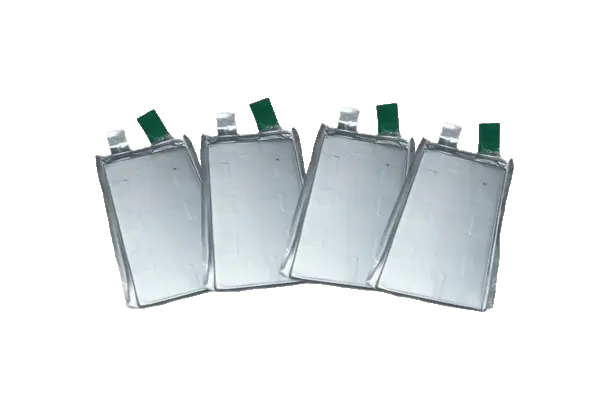
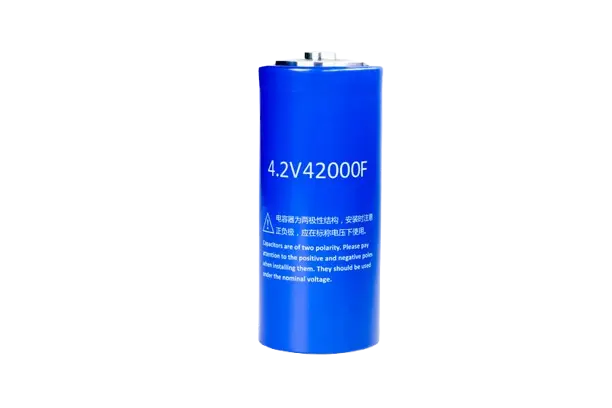
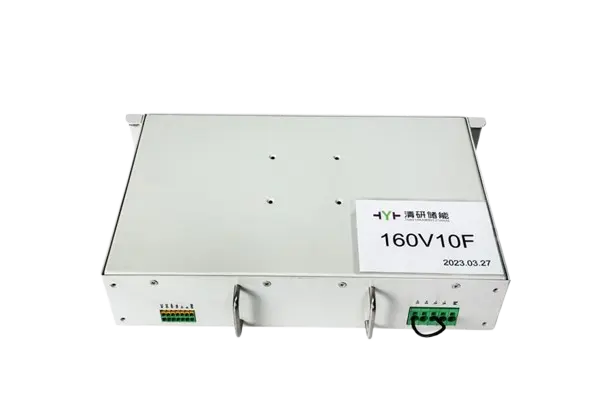
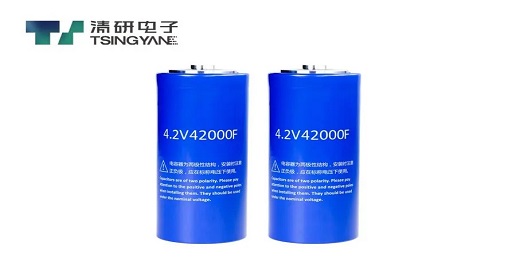
The world of energy storage is undergoing a transformation, with supercapacitors at the forefront of this revolution. Supercapacitors, especially the powerful 3000F variants, are poised to change how we think about energy storage solutions. This article delves into the future of 3000F supercapacitors, exploring their potential and the benefits they offer.

To appreciate the future of 3000F supercapacitors, we must first understand the basics of supercapacitor technology. Unlike traditional batteries, which store energy through chemical reactions, supercapacitors store energy electrostatically. This allows them to charge and discharge rapidly, making them ideal for applications that require quick bursts of energy.
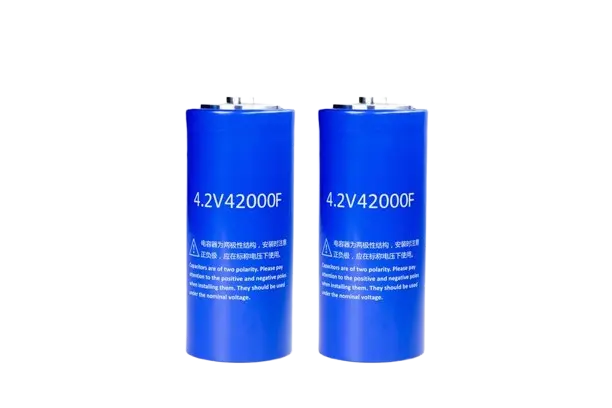
A 3000F supercapacitor is a high-capacity energy storage device. The "F" stands for farads, a unit of capacitance, indicating the supercapacitor's ability to store charge. The higher the farad rating, the more energy the supercapacitor can store. With a 3000F rating, these supercapacitors can store a significant amount of energy, making them suitable for various industrial and commercial applications.

The advantages of 3000F supercapacitors are numerous, making them an attractive option for future energy storage solutions.
One of the primary benefits of 3000F supercapacitors is their ability to charge and discharge quickly. This feature makes them ideal for applications like electric vehicles and renewable energy systems, where rapid energy transfer is crucial.
Unlike conventional batteries that degrade over time, supercapacitors have a significantly longer lifespan. A 3000F supercapacitor can endure many more charge and discharge cycles compared to traditional batteries, reducing the need for frequent replacements.
As industries worldwide strive for more sustainable solutions, supercapacitors offer an environmentally friendly alternative. They contain fewer harmful chemicals and are easier to recycle than traditional batteries, aligning with global sustainability goals.
The versatility of 3000F supercapacitors opens up numerous applications across various sectors.
In the automotive industry, 3000F supercapacitors are making waves in electric vehicles (EVs). Their ability to provide quick bursts of energy is perfect for acceleration, and their long lifespan ensures the longevity of energy storage systems in EVs.
For renewable energy systems, like solar and wind power, supercapacitors offer efficient energy storage solutions. They can store excess energy generated during peak production times and release it when needed, ensuring a stable energy supply.
In industrial settings, 3000F supercapacitors are used in machinery requiring quick energy bursts, such as cranes and robotic arms. Their rapid charge and discharge capabilities enhance the efficiency and performance of these machines.
While the future of 3000F supercapacitors looks promising, certain challenges need addressing.
Currently, the production cost of supercapacitors is higher than that of traditional batteries. However, as technology advances and production scales up, costs are expected to decrease, making supercapacitors more accessible.
Although supercapacitors excel in rapid energy transfer, they still lag behind traditional batteries in terms of energy density. Research is ongoing to increase the energy density of supercapacitors, bridging the gap and enhancing their capabilities.
Integrating supercapacitors with existing systems requires significant changes in infrastructure. As industries adopt these advanced energy storage solutions, the shift will require careful planning and investment.
The future of 3000F supercapacitors is bright, with ongoing research and development paving the way for enhanced energy storage solutions.
Researchers are exploring advanced materials and technologies to improve the energy density and efficiency of supercapacitors. Innovations such as graphene-based supercapacitors hold promise for the future, offering even greater storage capacities and performance.
For 3000F supercapacitors to realize their full potential, collaboration between industries, governments, and research institutions is essential. By working together, stakeholders can drive advancements in supercapacitor technology and promote its widespread adoption.
3000F supercapacitors represent a significant leap forward in energy storage technology. With their rapid charging capabilities, long lifespan, and environmental benefits, they are poised to revolutionize industries ranging from automotive to renewable energy. Although challenges remain, ongoing research and collaboration will undoubtedly propel these supercapacitors into the mainstream, making them a cornerstone of future energy solutions. The journey of 3000F supercapacitors is just beginning, and as technology continues to evolve, we can expect even more exciting developments on the horizon. By embracing these advancements, we move closer to a sustainable and energy-efficient future.

 English
 日本語
日本語 한국어
한국어 français
 Deutsch
 Español
 italiano
 русский
 português
 العربية
 tiếng việt