Recently, the group standards "Resin Materials for Lithium-ion Battery Cover Structural Parts" (T/SZBIA 0003-2025) and "Technical Specifications for the Use of Resin Materials for Lithium-ion Battery Cover Structural Parts" (T/SZBIA 0004-2025), which are under the jurisdiction of the Shenzhen Battery Industry Association (hereinafter referred to as the "Association"), were publicly released by the Association and will be officially implemented on April 29, 2025.
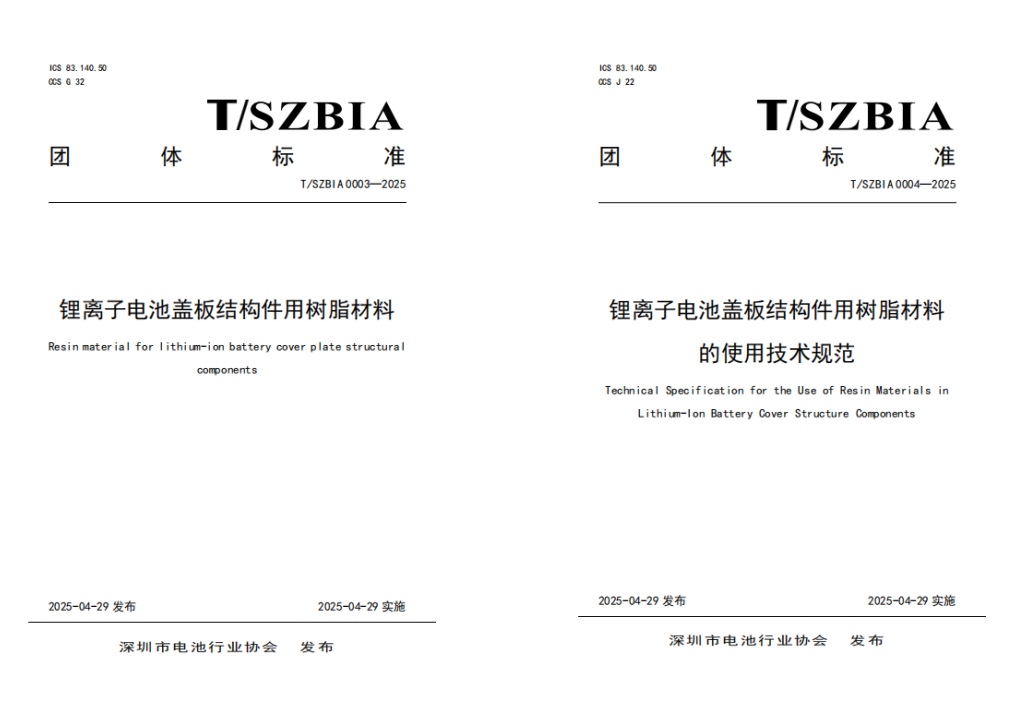
The release and implementation of this standard will set a technical benchmark for the global lithium battery industry, driving technological advancement and profound industry significance.
Currently, the global electric vehicle and energy storage markets are experiencing rapid growth, with large cylindrical batteries (such as 21700 and 4680) becoming mainstream and driving technological innovation in battery structural components. As battery energy density and charge/discharge rates increase, market demands for mechanical strength, chemical resistance, heat resistance, and electrical insulation performance in battery structural component materials are becoming increasingly stringent. Furthermore, supply chain stability and cost control for battery structural component materials are becoming key factors in the industry's development.
Against this backdrop, the Association, in collaboration with global battery structural component giant Kodali, world-renowned chemical company Daikin Japan, as well as leading Chinese universities such as the Shenzhen Tsinghua University Research Institute and innovative enterprise Tsingyan Research Electronic Technology, brought together leading international and domestic research and industry expertise in the field of lithium battery structural components to lead the drafting of this standard. This standard fills the current gap in lithium battery structural component material and technical standards and provides a reference specification for the entire industry.
At the same time, the two group standards released this time, jointly compiled by international battery structural parts leaders, well-known foreign companies, and top research institutions, are highly authoritative and international, providing strong technical support for the lithium battery industry and promoting the further development of the industry.
Founded in 1996, the Shenzhen Tsinghua Research Institute is a research institute within Tsinghua University, one of China's top universities. The Institute's innovation and industrialization platform gathers the technological achievements most urgently needed for national strategic development and industrial breakthroughs. Through a technology innovation incubation system that deeply integrates industry, academia, and research, it effectively connects with the key needs of key industries, improves the efficiency of technology transfer and implementation, promotes the two-way integration of innovation and industrial chains, and provides important support for high-quality industrial transformation and innovation.
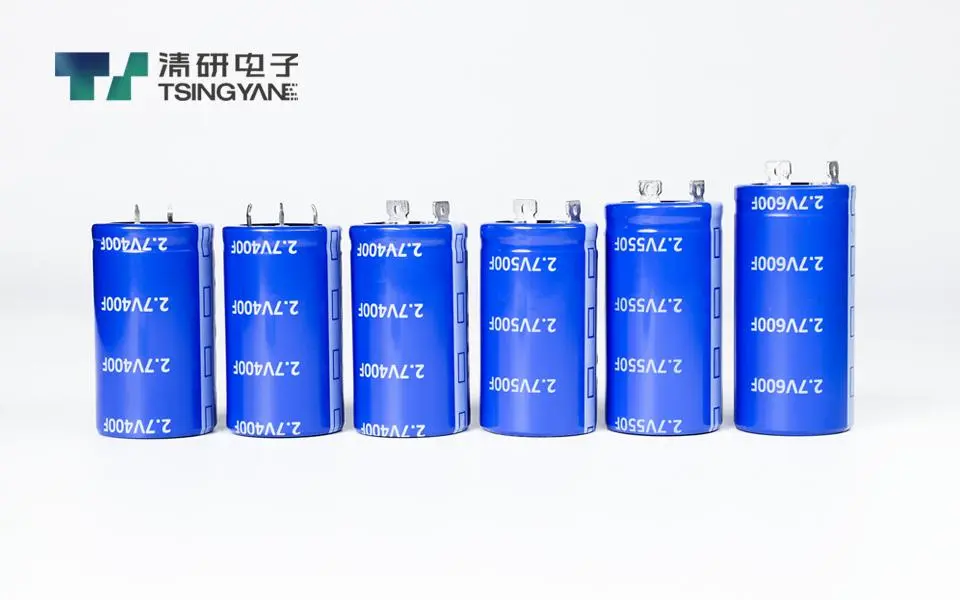
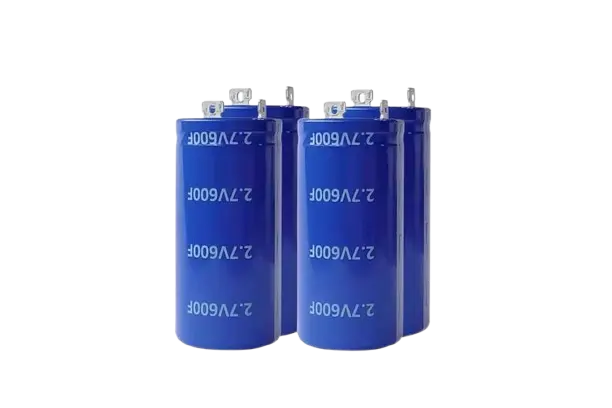
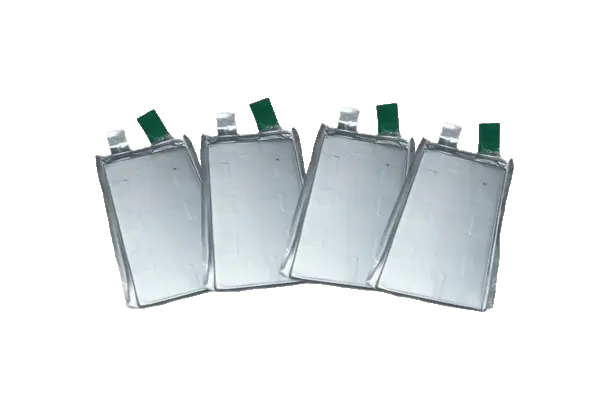
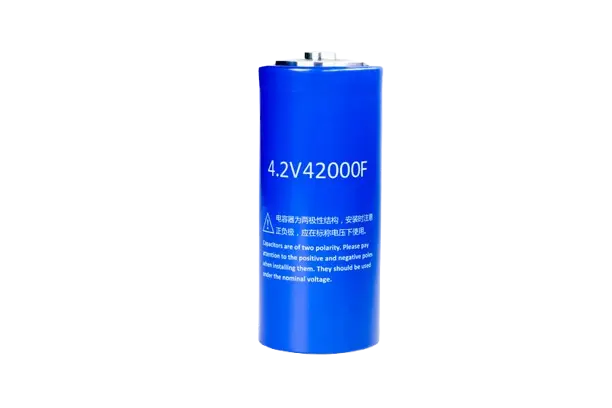
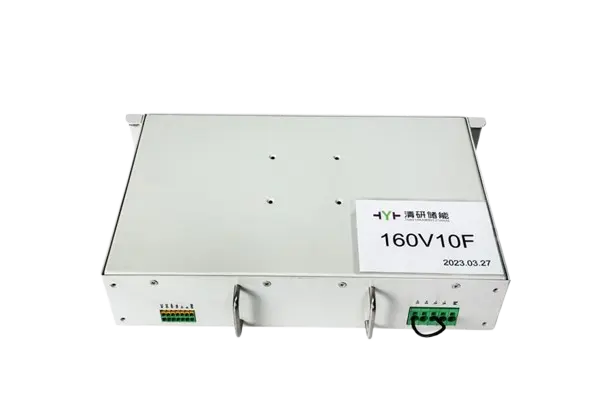
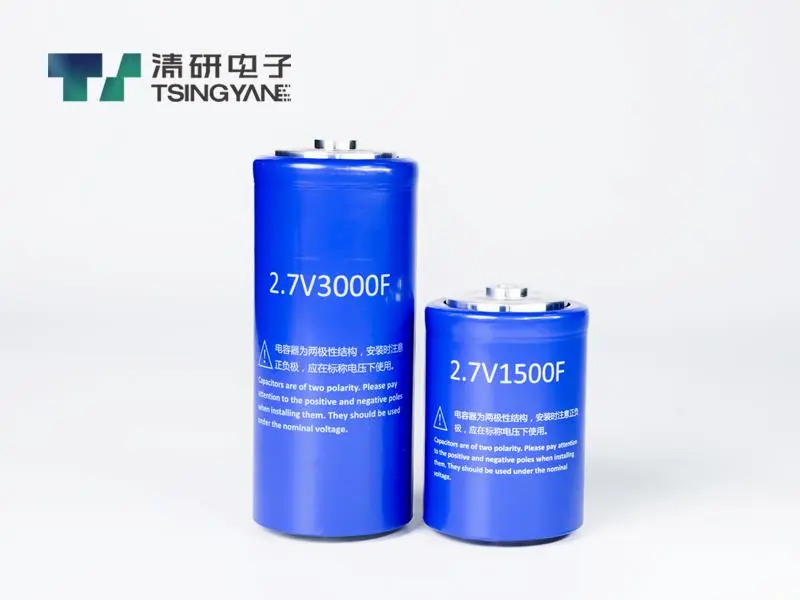
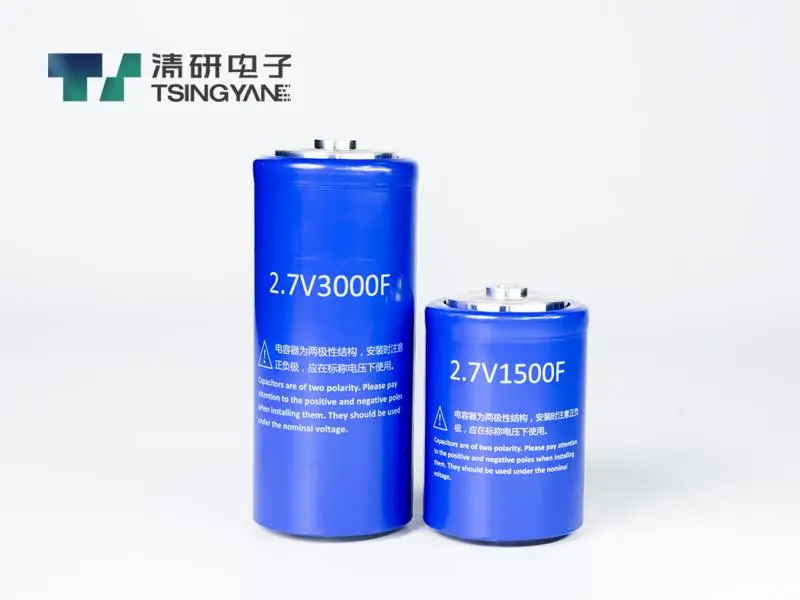
As a national high-tech enterprise incubated by the Shenzhen Tsinghua University Research Institute, Shenzhen Tsingyan Electronic Technology Co., Ltd. specializes in the research, development, and industrialization of high-end energy storage materials and devices, achieving significant breakthroughs in supercapacitor and lithium battery materials. Qingyan Electronic's innovative technologies and advanced dry-process electrode material processes are widely used in lithium battery structural components and have become a key force in driving advancements in battery technology. On June 27, 2024, Tsingyan Electronic Technology signed a strategic cooperation agreement with BYD, a global leader in anode materials. The two companies have joined forces to jointly promote innovation in dry-process electrode technology for lithium batteries, ushering in a new chapter in the integrated development of the "industry chain + innovation chain."

 English
 日本語
日本語 한국어
한국어 français
 Deutsch
 Español
 italiano
 русский
 português
 العربية
 tiếng việt
_20260820112956.webp "Tsingyan Electronics Launches D33 Dry-Process Supercapacitor for AIDC and AI Data Center Power Applications")