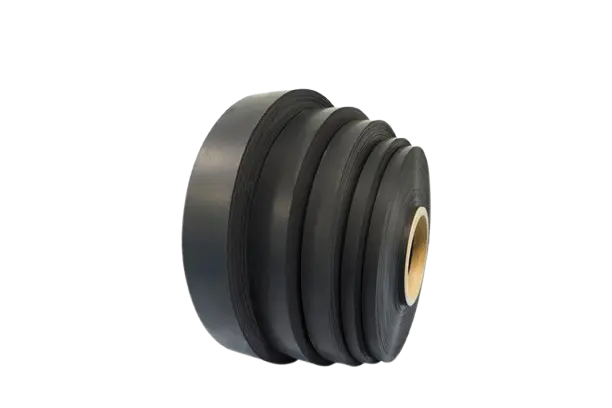
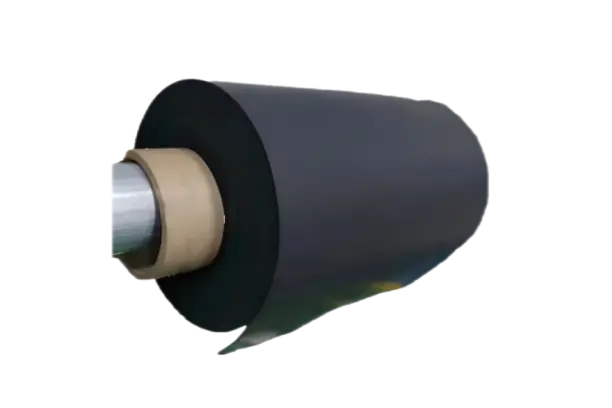
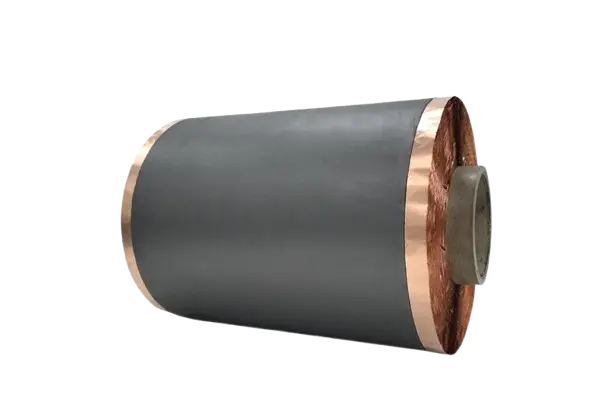
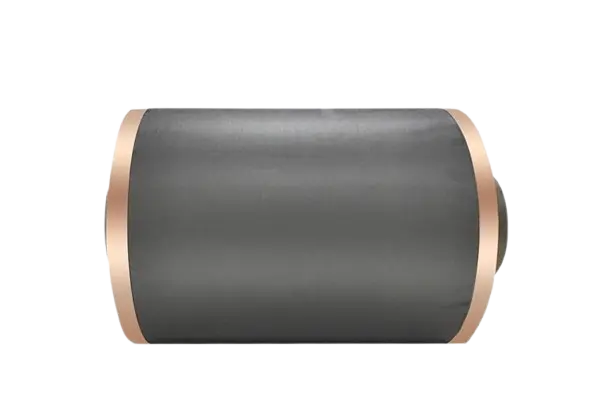
Electric vehicle (EV) batteries, predominantly based on lithium-ion technology, are engineered with a combination of materials that enable efficient energy storage and delivery. Key components include lithium, nickel, manganese, cobalt, graphite, and electrolytes, organized into anodes, cathodes, separators, and current collectors, all integrated within an electrolyte medium. These elements collaborate to support the movement of lithium ions, producing the electrical current that drives the vehicle. This blog explores the essential materials in EV batteries and their roles, providing a clear understanding of what powers modern electric transportation.
Lithium is the foundational element in lithium-ion batteries, serving as the primary ion responsible for carrying electrical charge. During battery operation, lithium ions shuttle between the anode and cathode, enabling the electrochemical reactions that store and release energy. Its lightweight nature and high electrochemical potential make lithium critical for achieving the high energy density required in electric vehicles, ensuring efficient performance and extended driving range.
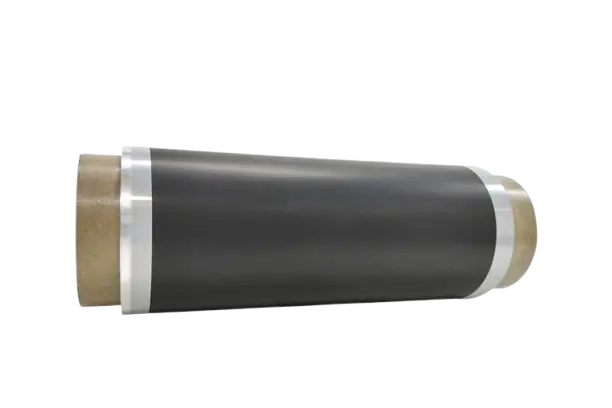
The cathode, the positive electrode in EV batteries, is typically composed of lithium metal oxides, such as nickel manganese cobalt (NMC) or lithium iron phosphate (LFP). These materials are designed to store lithium ions, releasing them during discharge to generate electrical current. The choice of cathode material significantly influences the battery's energy density, stability, and safety, with NMC offering high energy capacity for longer ranges and LFP providing enhanced safety and durability for specific applications.
The anode, the negative electrode, is most commonly made of graphite due to its stable structure, which allows lithium ions to intercalate, or nestle, within its layers during charging. Emerging alternatives, such as silicon, are being explored to increase energy density by storing more lithium ions, though their adoption faces challenges like volume expansion. The anode's role is crucial in maintaining efficient ion storage and release, directly impacting the battery's capacity and performance.
The separator is a thin, porous material positioned between the anode and cathode, preventing direct contact that could cause short circuits while permitting lithium ions to pass through. Its porous structure ensures efficient ion transport while maintaining electrical insulation between the electrodes. The separator's design is vital for battery safety and performance, as it helps prevent overheating and supports consistent electrochemical operation.
The electrolyte, either a liquid or solid medium, serves as the conduit for lithium ions traveling between the anode and cathode. Typically composed of lithium salts dissolved in organic solvents, or in some cases solid materials in advanced designs, the electrolyte ensures efficient ion transport while maintaining chemical stability. Its composition is critical for enabling fast charging, long cycle life, and safe operation under varying conditions.
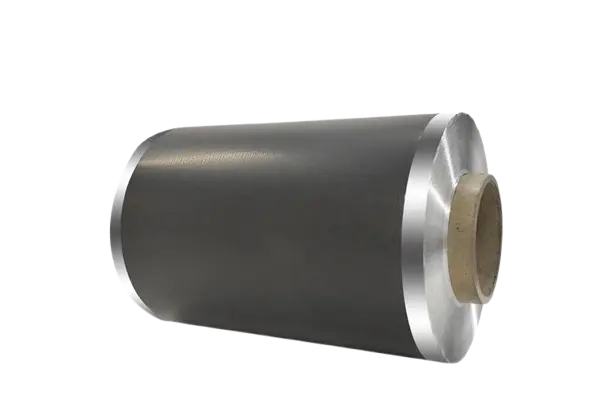
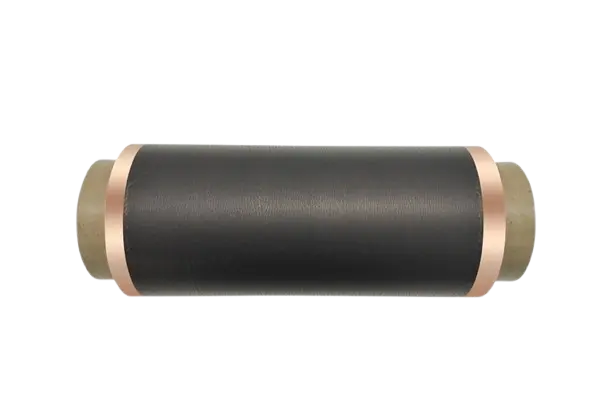
Current collectors are metallic components that channel the electrical current generated by ion movement to the battery's external circuit. Aluminum is commonly used for the cathode's current collector, while copper is employed for the anode, due to their excellent electrical conductivity and compatibility with battery chemistry. These materials ensure efficient energy transfer, supporting the battery's ability to deliver power reliably to the vehicle's systems.
Electric vehicle batteries are intricate systems built from materials like lithium, nickel, manganese, cobalt, graphite, and electrolytes, each playing a distinct role in energy storage and delivery. From the lithium ions that carry charge to the cathode and anode that store them, and the separator and electrolyte that enable their movement, these components work in harmony to power EVs. As research advances, innovations in materials like silicon anodes and solid electrolytes promise to enhance battery performance, driving the future of sustainable transportation.

 English
 日本語
日本語 한국어
한국어 français
 Deutsch
 Español
 italiano
 русский
 português
 العربية
 tiếng việt