Lithium-ion batteries power a wide range of modern devices, from smartphones to electric vehicles, relying on a carefully selected group of metals to ensure performance, safety, and efficiency. The primary metals used in their construction include lithium, nickel, cobalt, and manganese, which are integral to the cathode, while graphite or silicon typically forms the anode. Additional metals like copper and aluminum serve as current conductors, and lithium salts contribute to the electrolyte. This blog explores the roles of these metals and their significance in lithium-ion battery technology, offering insights into the materials driving energy storage solutions.
Lithium is the defining component of lithium-ion batteries, acting as the primary charge carrier that enables energy transfer within the battery. It is a key constituent of the cathode material, often incorporated into lithium-metal oxides such as nickel manganese cobalt (NMC) or lithium cobalt oxide (LCO). During battery operation, lithium ions shuttle between the cathode and anode, facilitating the electrochemical reactions that store and release energy, making lithium indispensable to the battery’s functionality and performance.
Nickel plays a crucial role in enhancing the energy density of lithium-ion batteries, allowing them to store more power in a compact form. It is a major component of NMC cathodes, where it works alongside manganese and cobalt to deliver high-performance energy storage. Nickel’s ability to increase energy capacity makes it particularly valuable for applications like electric vehicles, where maximizing range is a priority, though its use must be balanced with considerations of cost and material stability.
Cobalt is essential for achieving high energy density and extending battery life, contributing to the durability and efficiency of lithium-ion batteries. Commonly used in NMC and lithium cobalt oxide (LCO) cathodes, cobalt enhances the electrochemical properties that ensure consistent performance over multiple charge cycles. Despite its benefits, cobalt’s high cost and sourcing challenges have prompted research into reducing its reliance while maintaining battery performance.
Manganese is a key player in improving the stability and safety of lithium-ion batteries, particularly in NMC cathodes, where it is combined with nickel and cobalt. Its presence helps maintain the structural integrity of the cathode during repeated charging and discharging, reducing the risk of degradation or safety hazards. Manganese’s cost-effectiveness and stabilizing properties make it a valuable component in designing batteries that are both reliable and safe for widespread use.
Graphite is the most commonly used anode material in lithium-ion batteries, valued for its stable structure that supports lithium-ion intercalation, the process by which lithium ions are stored within the anode during charging. Its layered structure allows for efficient ion movement, ensuring reliable energy storage and release. Graphite’s affordability and proven performance make it a standard choice, though researchers are exploring alternatives to further enhance battery capabilities.
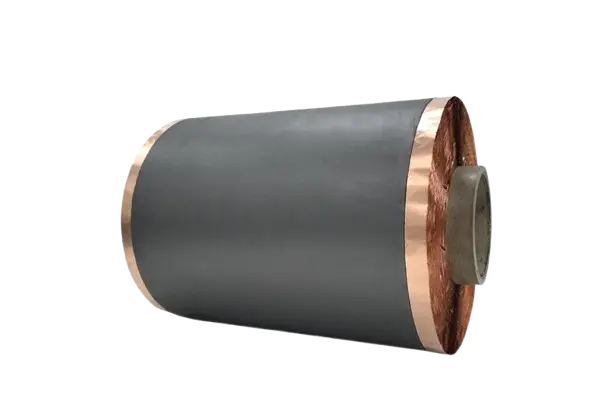
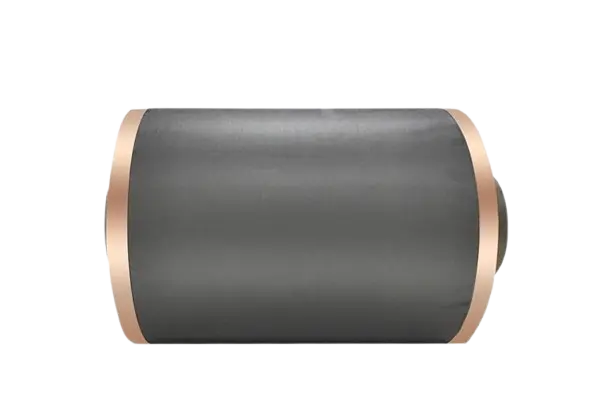
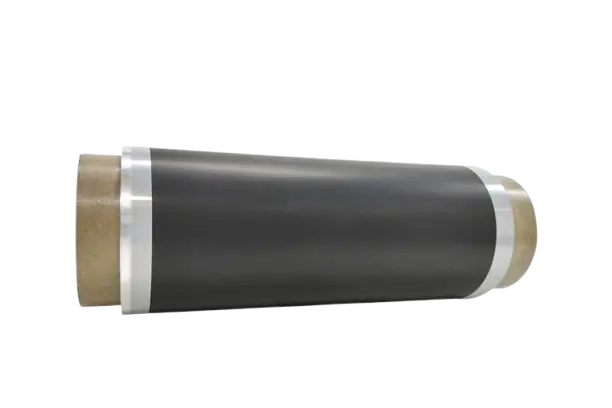
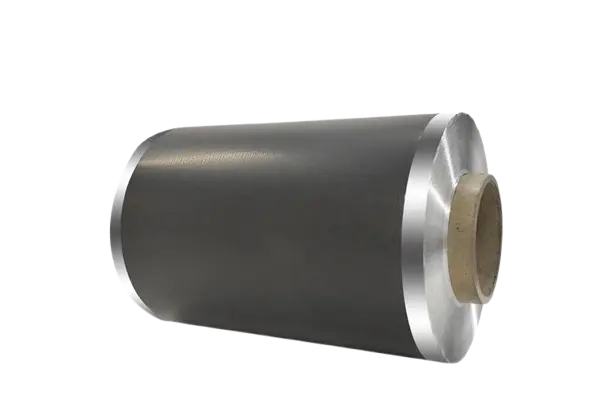
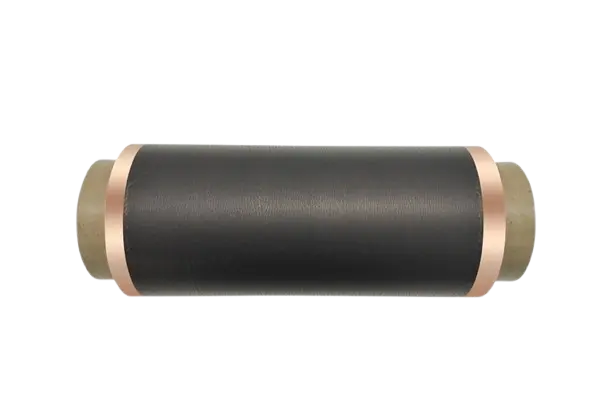
Copper and aluminum serve as current collectors in lithium-ion batteries, facilitating the flow of electrons between the electrodes and the external circuit. Copper is typically used for the anode’s current collector, while aluminum is employed for the cathode, due to their excellent electrical conductivity and compatibility with battery chemistry. These metals are critical for ensuring efficient energy transfer, contributing to the overall performance of the battery.
Silicon is gaining attention as an anode material due to its potential to significantly increase energy density compared to graphite. Its ability to store more lithium ions offers the promise of longer-lasting or more compact batteries, ideal for high-demand applications. However, challenges such as volume expansion during charging require ongoing research to make silicon anodes commercially viable, but their potential marks them as a key focus for future battery advancements.
Lithium salts, such as lithium hexafluorophosphate (LiPF6), are dissolved in organic solvents to form the electrolyte, the medium that enables lithium ions to move between the anode and cathode. The electrolyte is a critical component that ensures efficient ion transport, maintaining the battery’s electrochemical performance. The choice of lithium salt influences the battery’s stability, conductivity, and safety, making it a vital part of the overall design.
In addition to the primary metals, small amounts of other metals like iron, zinc, and vanadium may be incorporated into lithium-ion batteries, particularly in specialized chemistries. For example, iron is used in lithium iron phosphate (LiFePO4) cathodes, known for their safety and stability. These metals allow for tailored battery designs that address specific performance needs, expanding the versatility of lithium-ion technology across various applications.
Lithium-ion batteries rely on a strategic combination of metals, including lithium, nickel, cobalt, manganese, graphite, silicon, copper, and aluminum, to deliver the performance required for modern energy storage. Each metal plays a distinct role, from enhancing energy density and stability to facilitating efficient current flow and ion transport. As research continues to optimize these materials and explore alternatives, lithium-ion batteries are poised to become even more efficient and sustainable, powering the future of technology.
 TSINGYANE& ONGOAL : Unveil Joint Venture, Aiming for Leadership in Dry Electrode Equipment
 Li Xin of Tsingyan Electronics Attends the 2nd Anhui Symposium on Key Materials and Technologies for Solid‑State Batteries 2026
 INVITATION:Vietnam InternationalElectricity & Energy Exhibition_copy20260820112654

 English
 日本語
日本語 한국어
한국어 français
 Deutsch
 Español
 italiano
 русский
 português
 العربية
 tiếng việt