Email Us
Supercapacitor

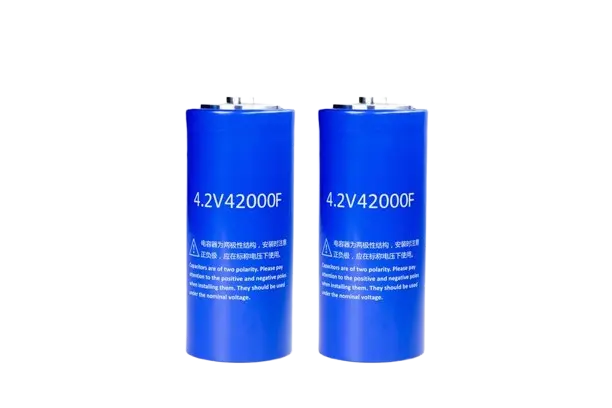
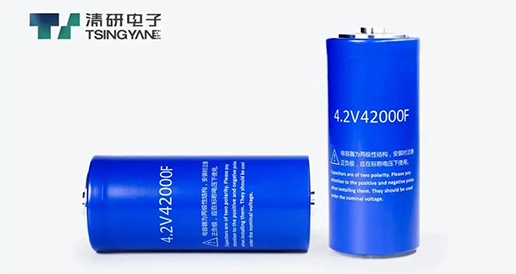
Tsingyan supercapacitors for sale are energy storage devices with high power density and long lifespan, featuring rapid charge and discharge characteristics. Compared with traditional batteries, high voltage supercapacitor can release a large amount of electrical energy in an extremely short period of time, and this large supercapacitor also has a fast charging speed and long cycle life. Supercapacitors store energy through the electric double-layer capacitance and pseudocapacitance effects. These ultracapacitors for sale are commonly used in fields such as electric vehicles, renewable energy systems and industrial equipment. They are suitable for scenarios that require quick response and high-frequency charge and discharge, and can work stably even under extreme temperatures.
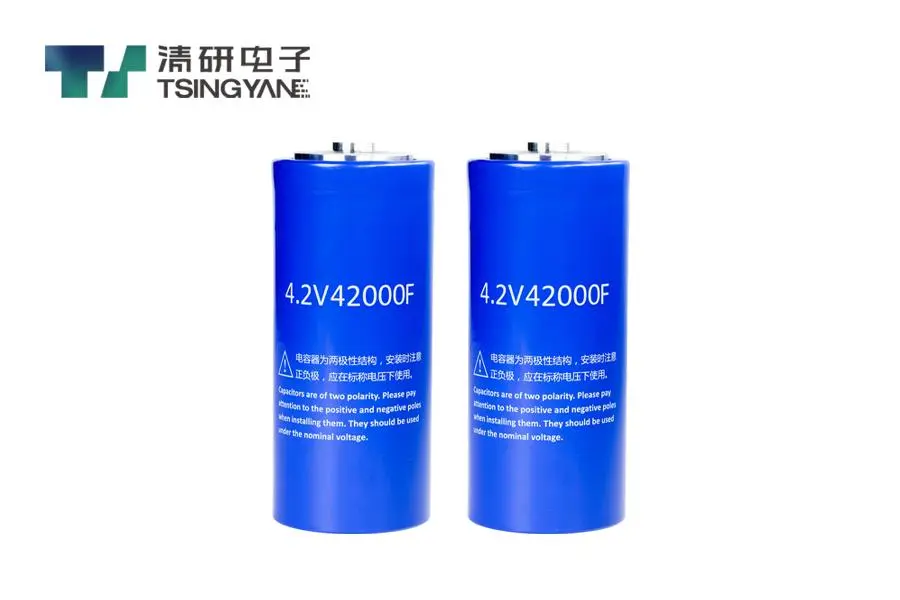
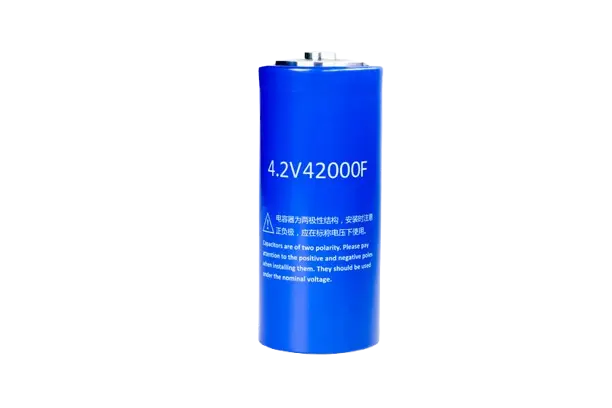
Axial Supercapacitor

A compact energy storage solution with a cylindrical design and high energy density, ideal for space-constrained applications requiring high power output, featuring ultra-low internal resistance, instantaneous large current discharge, and strong shock resistance.
Read More

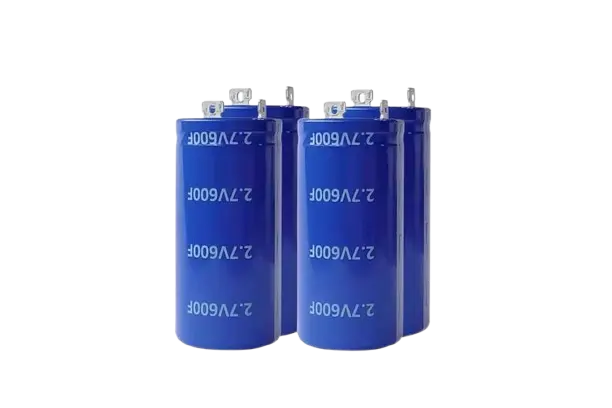
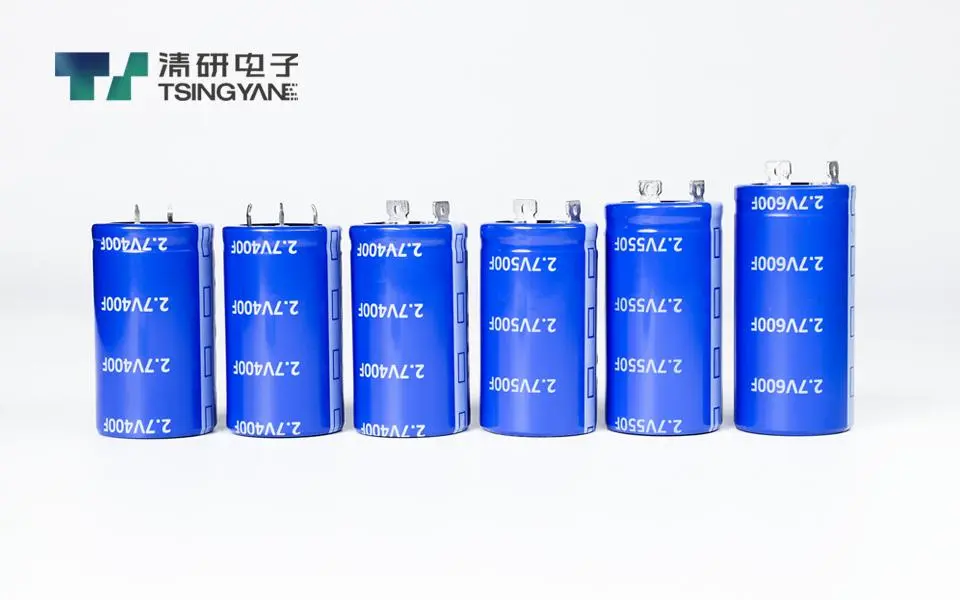
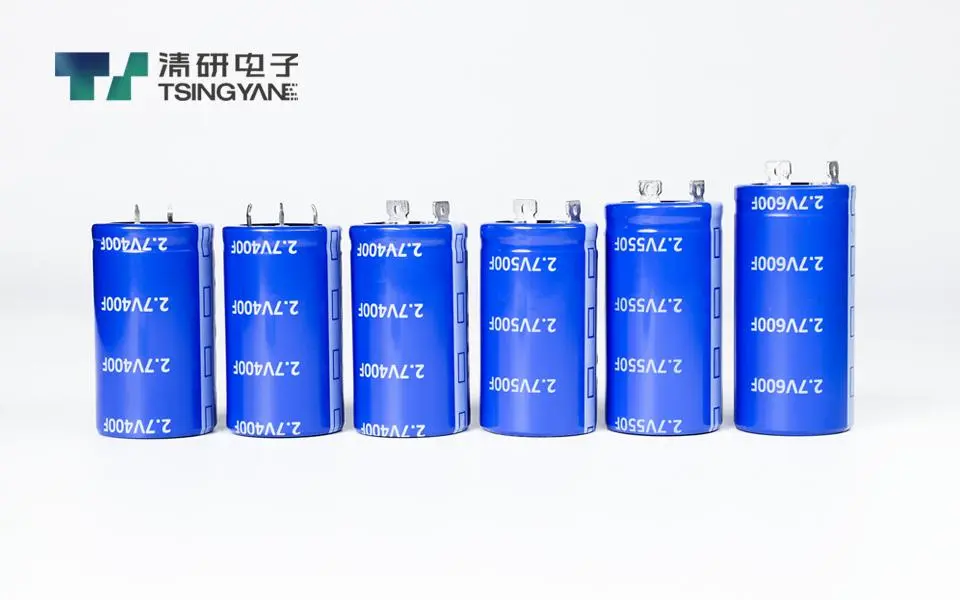
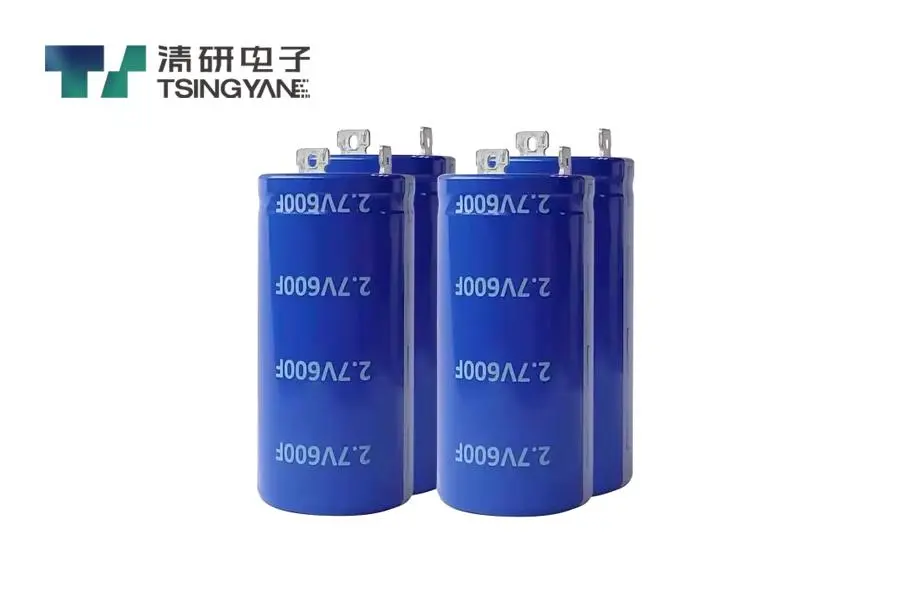
Snap-In Supercapacitor

Designed for easy installation, this solution ensures convenient and reliable energy storage and efficient power delivery, with low internal resistance.
Read More

Supercapacitor Function

  • Rapid Energy Storage of Supercapacitors for Sale

    Supercapacitors excel at rapid energy storage and release, capable of charging and discharging in seconds or less. Unlike batteries, which store energy through chemical reactions, supercapacitors store energy electrostatically on high-surface-area electrodes, enabling superfast charging for applications requiring quick energy bursts, such as electric vehicle acceleration, regenerative braking, or stabilizing power grids during sudden demand spikes.

  • Long Cycle Life of Supercapacitors for Sale

    Supercapacitors offer exceptional durability, with cycle lives often exceeding 1 million charge-discharge cycles. Their electrostatic storage mechanism avoids the chemical degradation seen in batteries, ensuring enduring performance for extended use in applications like renewable energy systems, industrial equipment, and consumer electronics, where reliability over thousands of hours is critical.

  • High Power Density of Supercapacitors for Sale

    With high power density, supercapacitors deliver significant power in a compact design, making them ideal for high-power applications where space and weight are constraints. They can provide instantaneous power surges for devices like camera flashes, medical equipment, or aerospace systems, while their small footprint supports efficient integration into portable and high-performance technologies.

Supercapacitor Applications

  • Supercapacitors as a Complement to Batteries

    Supercapacitors are ideal for handling peak power demands and reducing stress on batteries during high-load events. Acting as a super capacitor as battery support, they enhance overall system efficiency and extend battery lifespan. Thanks to their high power density, supercapacitors excel at load smoothing and maintaining power stability under fluctuating conditions. This is a key advantage in many supercapacitor applications.


  • Supercapacitors in Electric Vehicles (EVs)

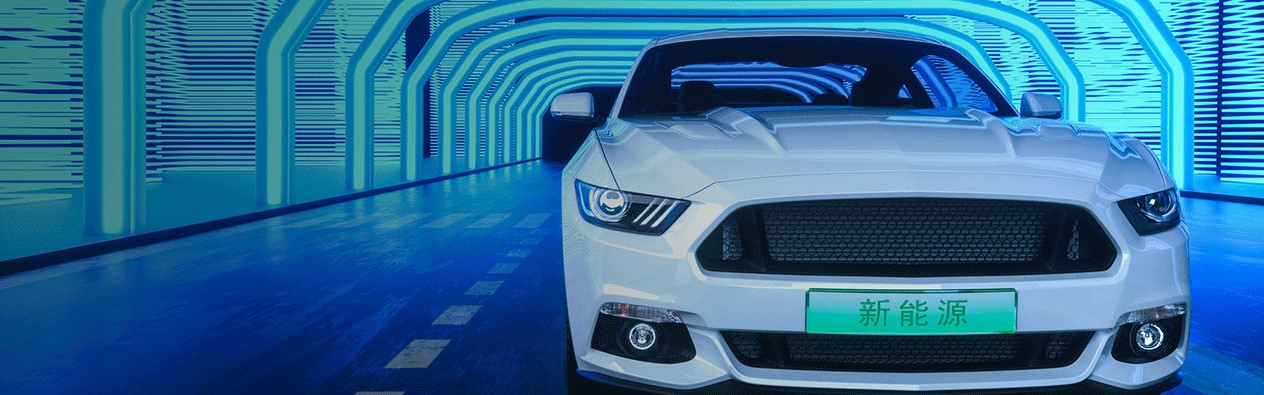
    Supercapacitor in electric vehicles is a common trend, especially in regenerative braking systems, where they rapidly capture and release energy, improving vehicle energy efficiency. These automotive supercapacitors also provide power boosts during acceleration — notably demonstrated in high-performance hybrids like the Lamborghini Sián’s V12 system. By managing short, high-power demands, supercapacitors enable the use of smaller and more economical battery packs without sacrificing performance. In some setups, super capacitor car battery solutions are being explored as lightweight, high-power alternatives to traditional batteries.


  • Supercapacitors in Hybrid and Internal Combustion Engine (ICE) Vehicles

    In hybrid and ICE vehicles, supercapacitors support start-stop systems, such as Mazda’s i-ELOOP, enabling quick engine restarts while conserving fuel. They stabilize onboard 12V electrical systems by delivering instant bursts of power. Supercapacitors are also suitable for car battery super capacitor configurations in heavy-duty trucks and construction equipment, where they reduce maintenance and battery degradation.


  • Supercapacitors in Safety-Critical Automotive Systems

    These devices act as a backup power source for essential vehicle systems, including electric power steering, braking systems, and Advanced Driver Assistance Systems (ADAS). In the event of a main battery failure, super capacitor for car applications ensure continued operation, greatly improving vehicle safety and reliability.


  • Supercapacitors in Non-Powertrain Automotive Applications

    Supercapacitors supply energy to systems like active suspension, enhancing comfort and handling. Due to their superior performance in extreme environments — including temperatures as low as -40°C — high temperature supercapacitors are particularly valuable in automotive and aerospace systems.


  • Supercapacitors in Industrial Applications

    In industrial use cases, supercapacitors are replacing traditional batteries in high-power, short-duration scenarios, such as emergency switching in rail networks. These high power supercapacitors reduce stress on primary batteries, thereby lowering operational costs. In renewable energy systems, super capacitor battery for solar setups are emerging as efficient, eco-friendly alternatives to chemical batteries for short-term energy storage.


Supercapacitors vs. Batteries

  • Traditional energy storage solutions

    Traditional energy storage solutions, such as lithium and alkaline batteries, are increasingly outdated and struggle to meet the demands of modern technologies like electric vehicles and smart grids. Common battery issues include overheating (leading to thermal runaway), challenges with car battery performance during cold starts, and limited lifespans during storage and use. In contrast, supercapacitors, also known as ultracapacitors, offer significant advantages due to their unique design, including high temperature supercapacitor stability, extended lifespan, and maintenance-free operation.

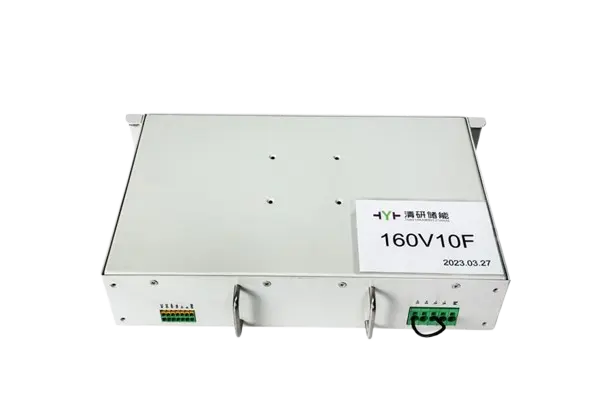
    Supercapacitor modules, such as high capacity supercapacitors, come with built-in balancing circuits that ensure safe and efficient performance without requiring external controls or monitoring, unlike complex battery management systems (BMS). This simplifies their integration into applications like supercapacitors for electric vehicles and solar supercapacitor systems, while also reducing operational costs for supercapacitor manufacturers and end-users.


  • Supercapacitor

    Supercapacitor modules, such as high capacity supercapacitors, come with built-in balancing circuits that ensure safe and efficient performance without requiring external controls or monitoring, unlike complex battery management systems (BMS). This simplifies their integration into applications like supercapacitors for electric vehicles and solar supercapacitor systems, while also reducing operational costs for supercapacitor manufacturers and end-users.


How Supercapacitors Work

  • Supercapacitor working principle

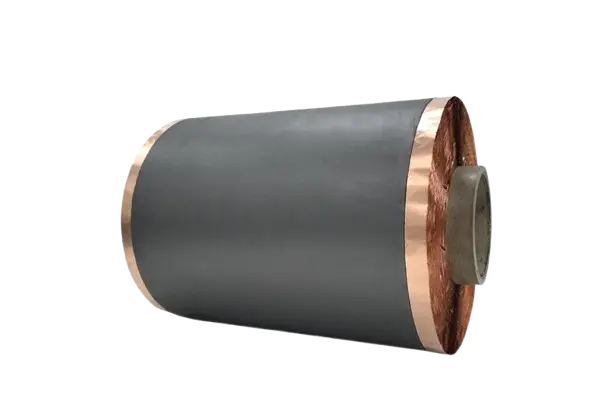
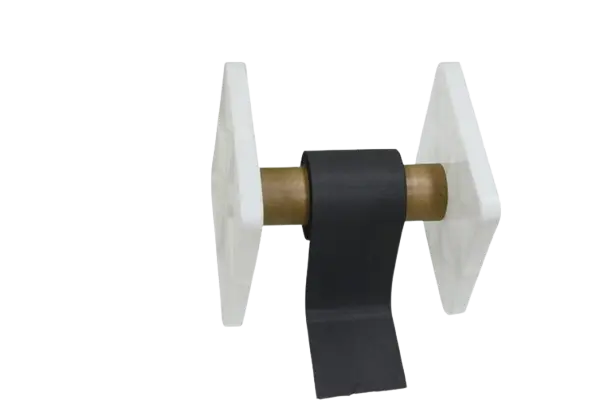
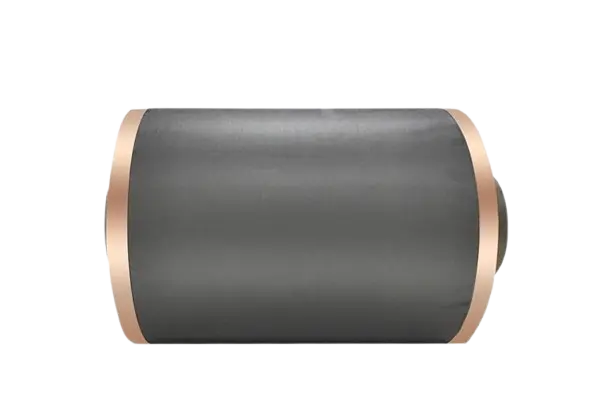
    Supercapacitors, also known as ultracapacitors, store energy electrostatically by accumulating ions from an organic electrolyte for supercapacitor on the surface of highly porous electrodes, typically made from activated carbon for supercapacitors or graphene based supercapacitors, which provide a large surface area. When supercapacitor voltage is applied, positive and negative ions form an electric double-layer across a thin, non-conductive separator, enabling high capacity supercapacitor performance. This supercapacitor working principle allows rapid charging and discharging, often in seconds or minutes, and supports millions of cycles with minimal degradation. Unlike batteries, which rely on chemical reactions, supercapacitors in electric vehicles deliver high power supercapacitor capabilities, ideal for applications like regenerative braking. Despite lower supercapacitor watt hours compared to batteries, advancements in new materials for supercapacitors are improving energy density. The combination of electrodes, electrolyte, and separator ensures efficient supercapacitor function and quick power release without complex controls.


Get In Touch With Tsingyan!

HAVA ANY QUESTIONS?

Get in Touch with Tsingyan for Energy Storage Solutions

at Anytime!

Unlock the future of advanced sensor technology with Tsingyan! 

Our cutting-edge dry electrodes are designed for superior performance.

Latest Insights about Tsingyan
Contact Us
No. 39, Gaoxin South Ninth Road, Nanshan District, Shenzhen City, Guangdong Province.
liliping@tsingyane.com
follow us