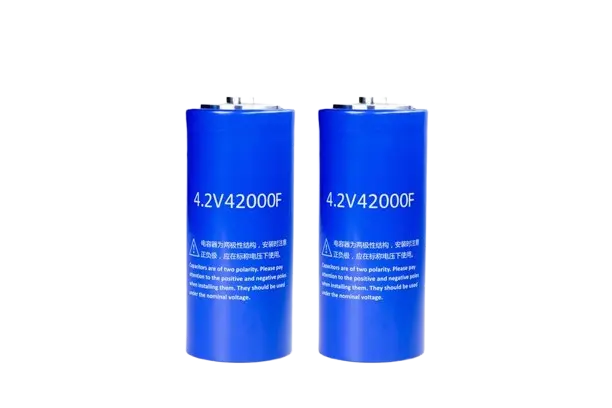
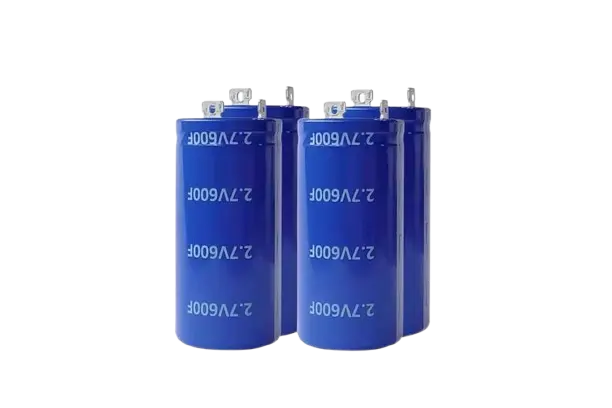
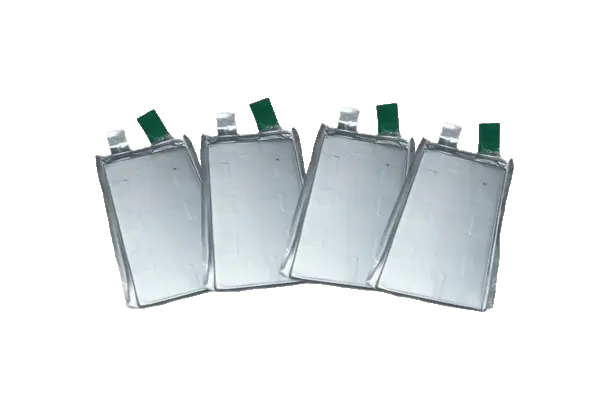
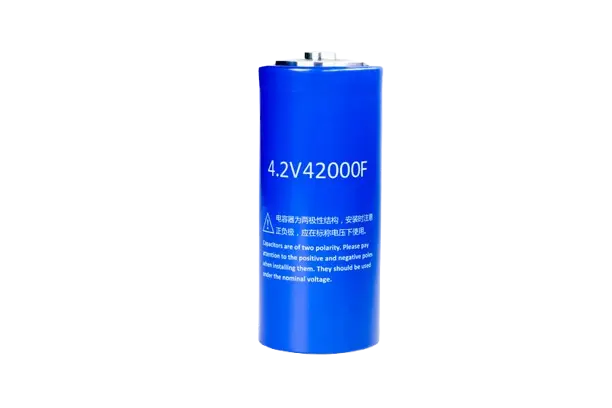
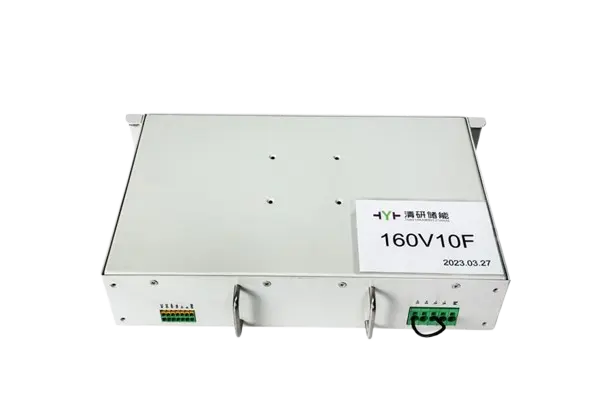
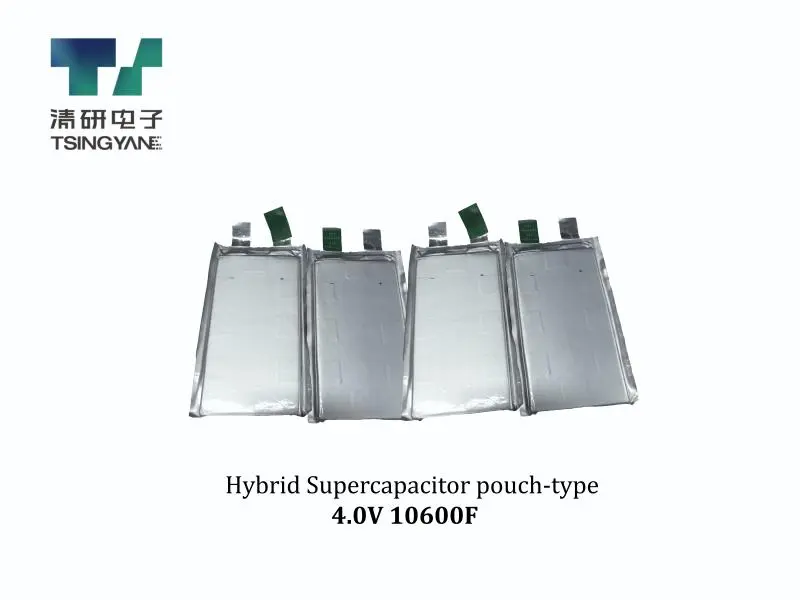
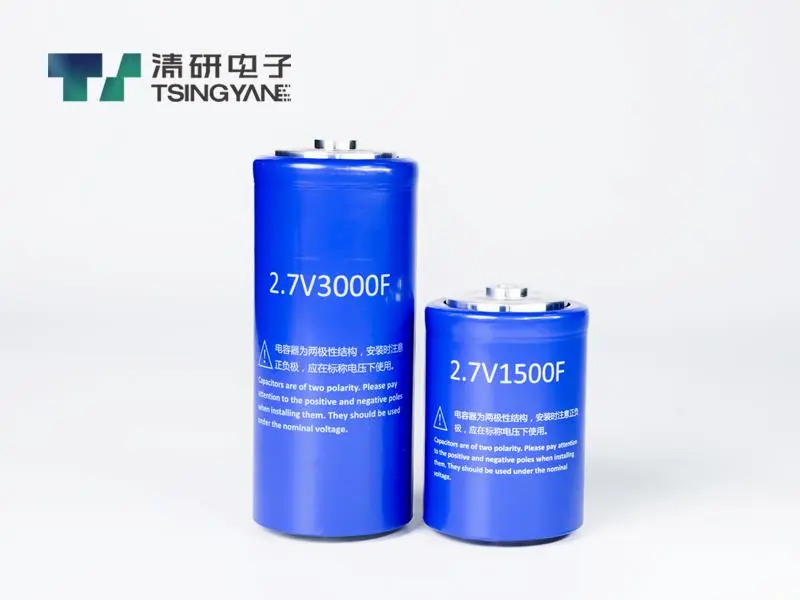
A hybrid supercapacitor, also known as a lithium-ion capacitor or asymmetric electrochemical capacitor, is a new type of energy storage device that falls between a supercapacitor and a battery. It consists of a capacitive positive electrode and a pre-lithiated battery-type negative electrode, featuring the superior power characteristics of supercapacitors and the excellent energy characteristics of lithium-ion batteries.
During charging, Li+ is released from the positive electrode material of the hybrid supercapacitor into the electrolyte, while the activated carbon in the positive electrode material adsorbs free anions from the electrolyte. The released Li+ and the dissociated Li+ in the electrolyte simultaneously embed into the negative electrode material. During discharge, the activated carbon in the positive electrode releases the adsorbed anions into the electrolyte, while a portion of Li+ from the negative electrode material is also released into the electrolyte to achieve charge balance, and the rest of the released Li+ embeds into the positive electrode material, restoring it to the lithiated state.
Hybrid supercapacitors have a higher power output, better meeting power demands;
Hybrid supercapacitors have very short charge and discharge cycle times;
Hybrid supercapacitors have a long lifespan, suitable for long-term use with no maintenance required;
They are heat-resistant, and under high temperatures, an oxidation decomposition reaction occurs between the electrolyte and the positive electrode, thereby avoiding the phenomenon of explosion.
Hybrid supercapacitors mainly consist of tabs, separators, positive electrodes, negative electrodes, electrolytes, and aluminum-plastic film.
The main function of the tabs is to serve as a current carrier.
The separator is primarily made of cellulose-type materials that can absorb a significant amount of electrolyte. Its role is to form a barrier between the positive and negative electrodes that only allows ions to pass through while preventing electrons from passing through, thus preventing short circuits between the positive and negative electrodes and allowing ions to migrate quickly through the separator under large current densities.
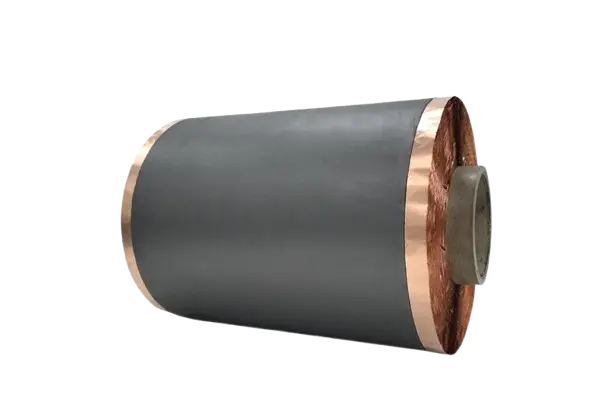
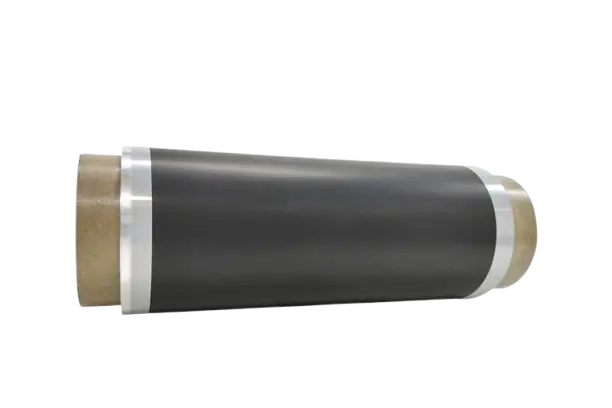
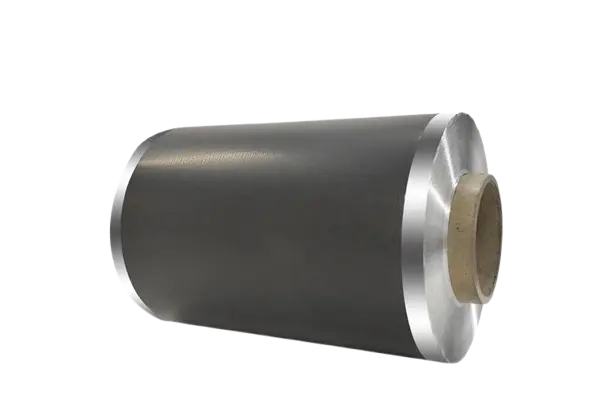
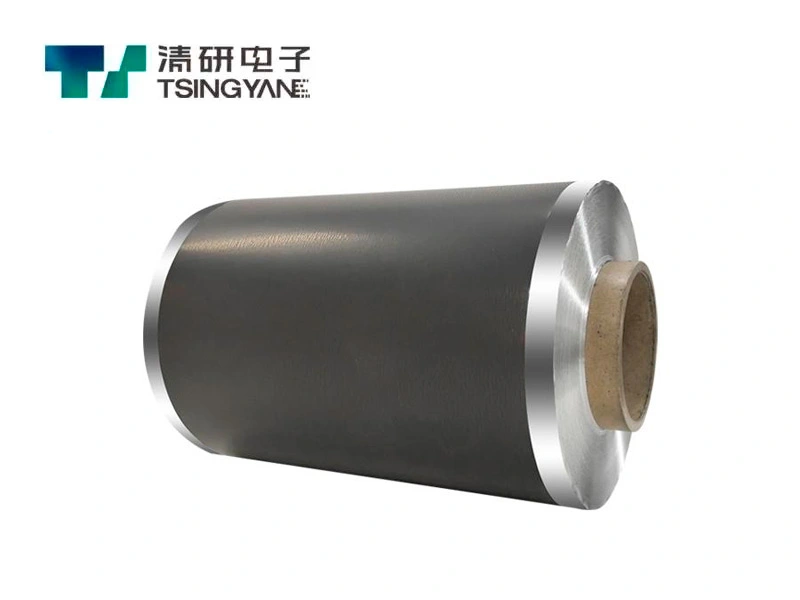
The positive electrode mainly consists of the positive electrode material and the current collector. The current collector for the positive electrode is aluminum foil. To date, the materials used for the positive electrodes in hybrid supercapacitors are primarily carbon-based, including activated carbon, carbon nanotubes, template carbon, and graphene, among others.
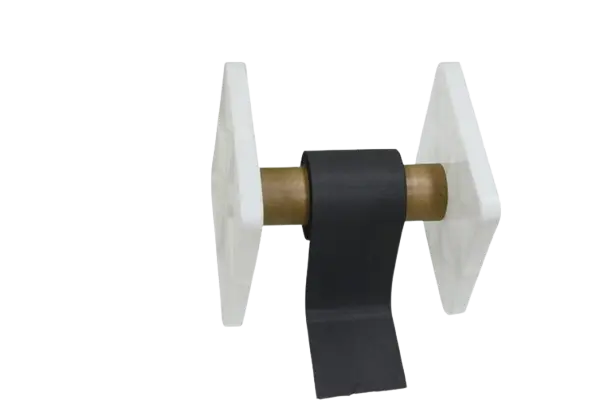
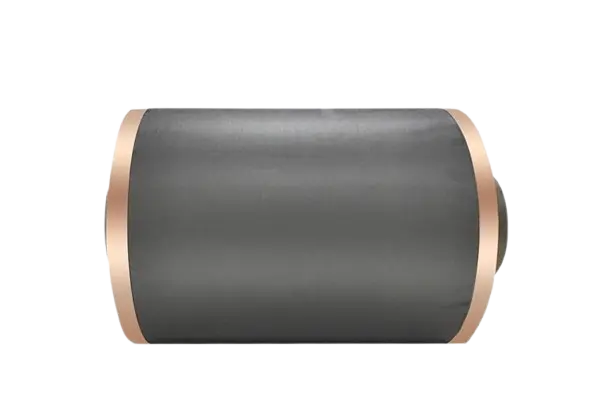
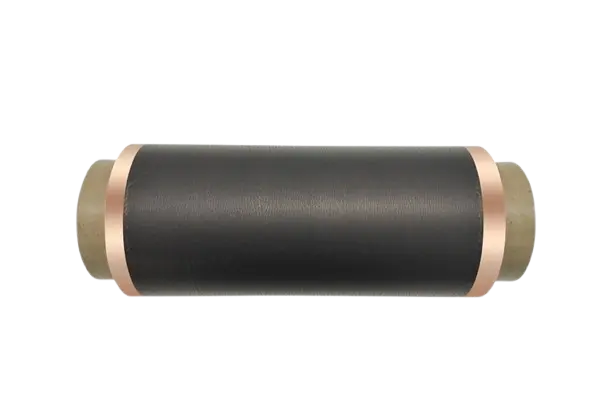
The negative electrode is composed of the negative electrode material and the current collector. The current collector for the negative electrode is copper foil. Currently, commonly used negative electrode materials include graphite, soft carbon, hard carbon, lithium titanate, and alloy-type negative materials.
The electrolyte mainly consists of lithium hexafluorophosphate as the solute.
The primary role of the aluminum-plastic film is to seal the hybrid supercapacitor cells, preventing electrolyte leakage.
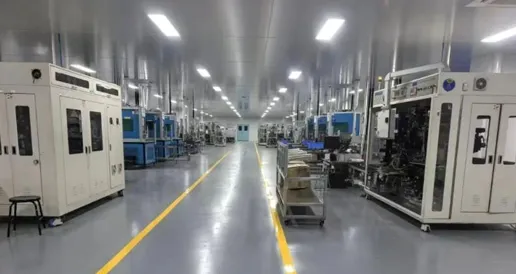 Tsingyan Electronics Acquires Maxwell’s China Supercapacitor OEM Line to Consolidate Dry‑Process Supercapacitor Advantages
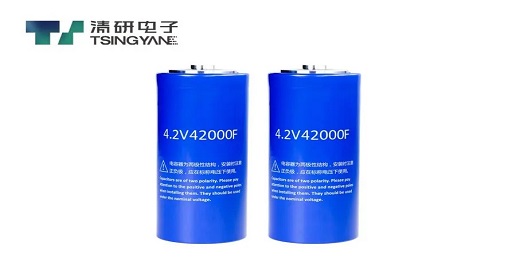 Supercapacitors Are Becoming the New Blue Ocean Market in the Energy Storage Field
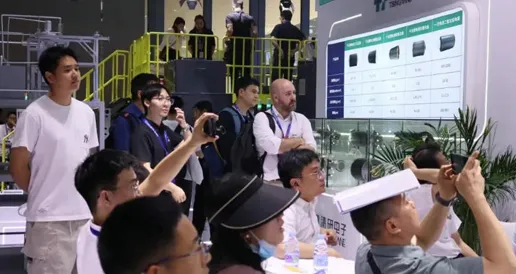 Focusing on Dry‑Process Innovation, Empowering Battery’s Future | Tsingyan Electronics Showcases Core Technologies at CIBF 2026, Setting New Industry Benchmarks

 English
 日本語
日本語 한국어
한국어 français
 Deutsch
 Español
 italiano
 русский
 português
 العربية
 tiếng việt