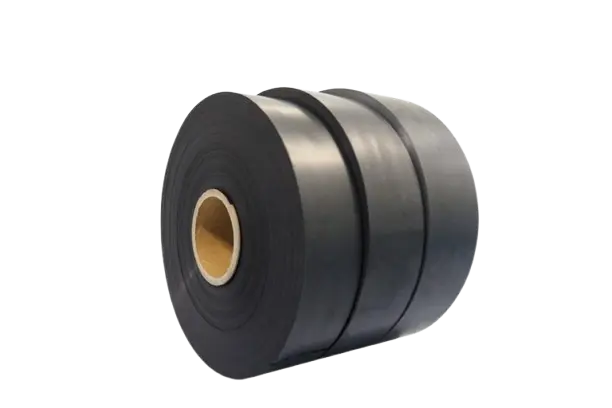
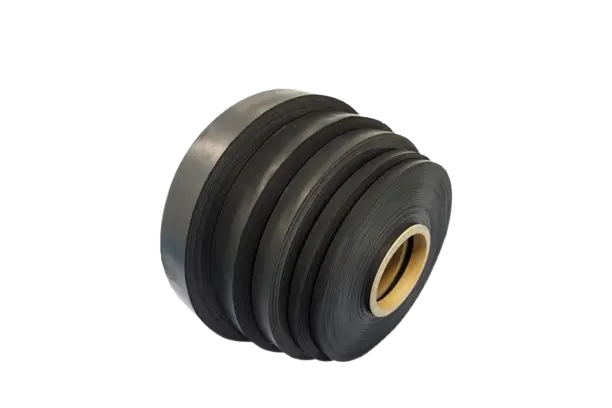
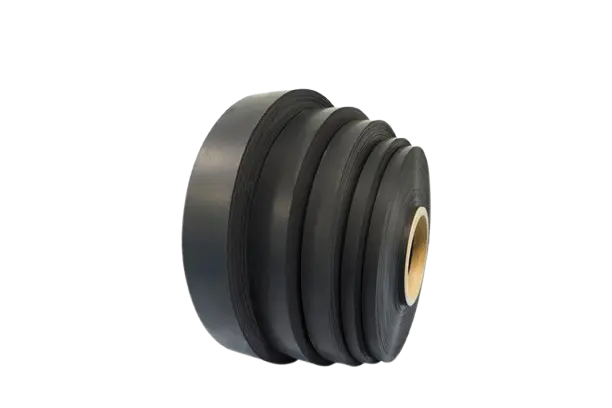
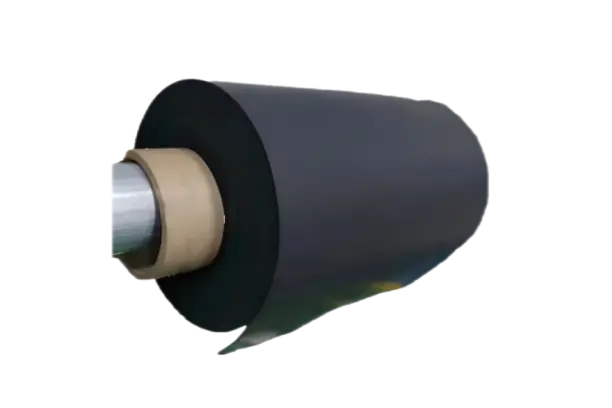
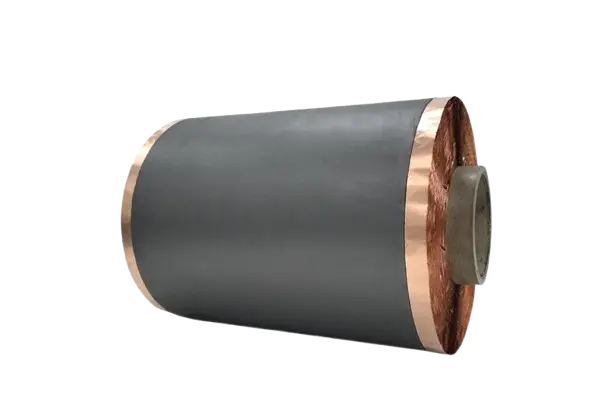
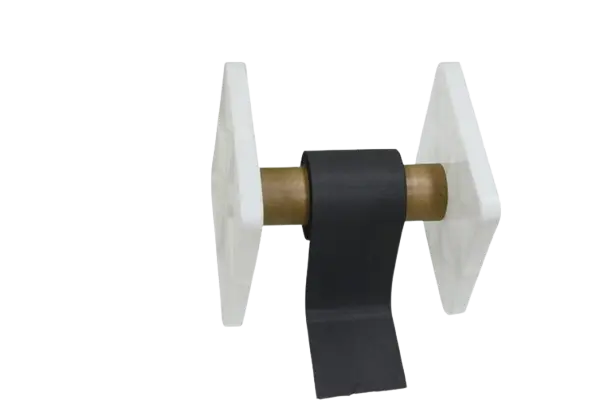
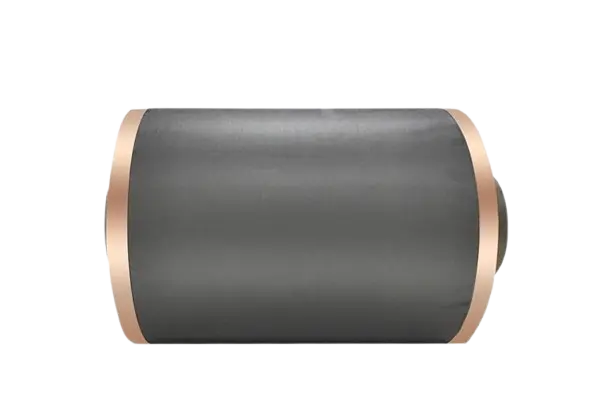
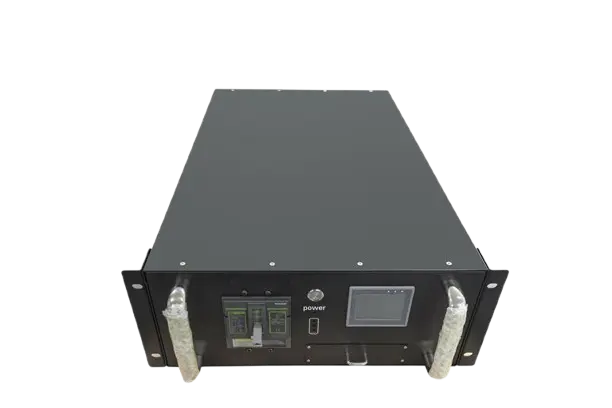
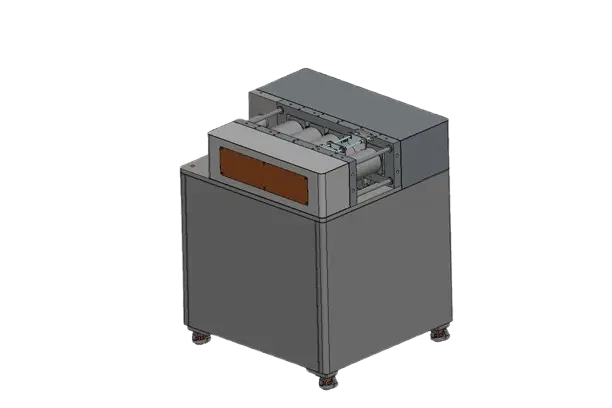
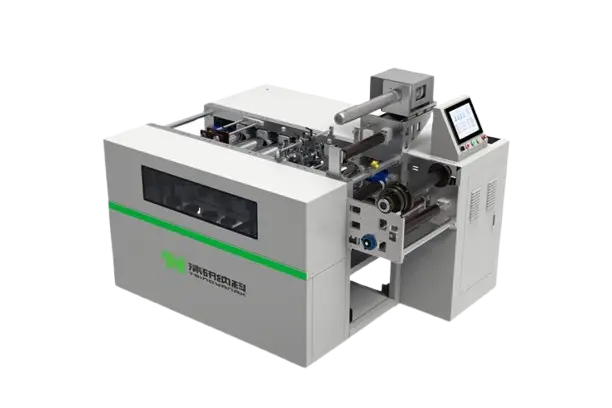
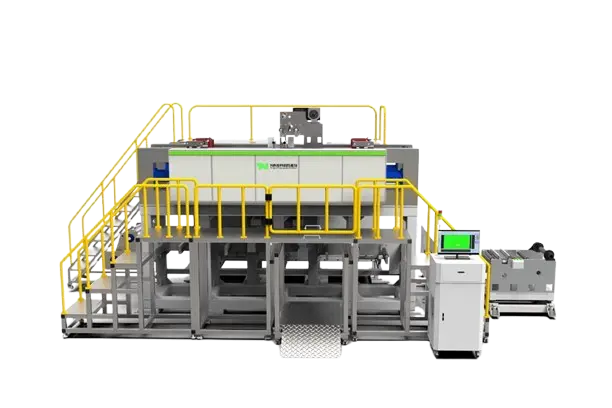
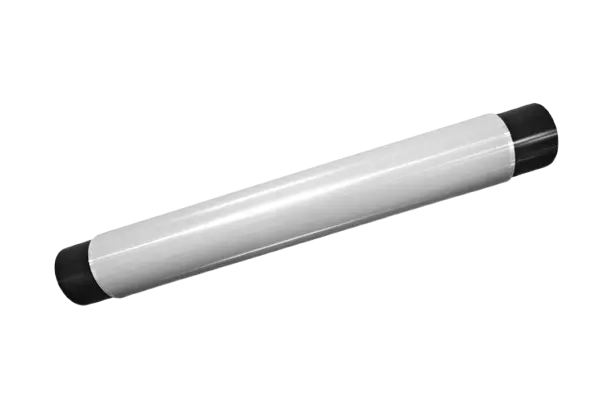
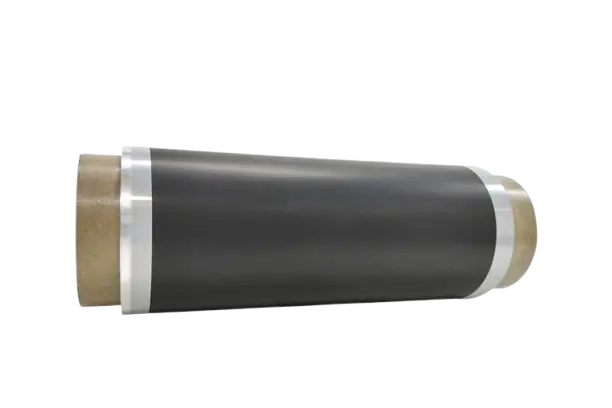
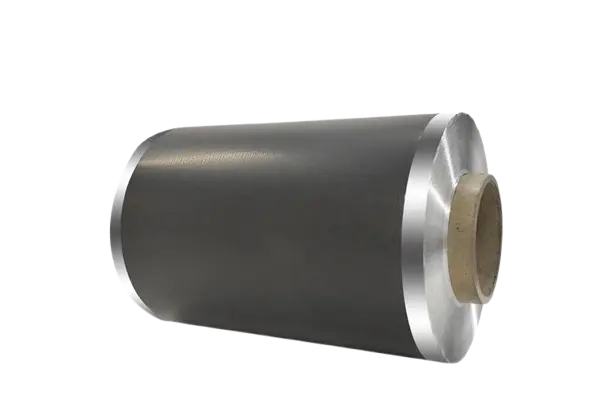
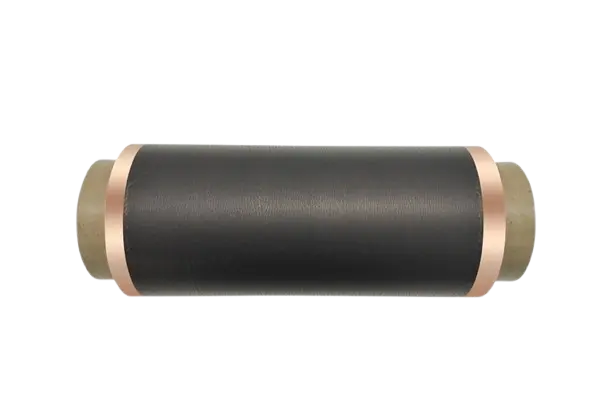
The dry electrode process for lithium batteries is a manufacturing process where a mixture of binder, active material, and conductive agent is dry-mixed without using solvents and then pressed onto the current collector to form an electrode.
Main Process Flow of Dry Electrode for Lithium Batteries
1. Dry Mixing: Mix the active material, conductive agent, and binder uniformly in a certain proportion.
2. Calendering: Form a self-supporting film under the fibrillation effect of the binder, then roll it onto the surface of the current collector.
3. Adhesion: Attach the formed electrode film directly onto the current collector.
Save on Solvent Costs: The dry electrode process does not use solvents, directly saving the cost of purchasing and recycling solvents.
Lower Energy Consumption: The drying and recycling of solvents in the wet process consume a lot of energy; the dry process does not require these steps.
Lower Factory Construction Costs: The dry electrode process does not need complex drying equipment and large factory space, reducing overall capital expenditure.
No Solvent Pollution: The dry electrode process does not use harmful solvents, reducing environmental pollution and meeting green manufacturing requirements.
Reduced Waste Emissions: Without the need for solvent recovery devices, waste generation and disposal are reduced.
Simplified Production Process: The dry electrode process eliminates several steps such as slurry preparation, coating, and drying, making the production process simpler and improving production efficiency.
Quick Production Ramp-Up: The dry electrode process is more suitable for large-scale production, allowing rapid market response and increased output.
High Energy Density: The dry electrode process for lithium batteries allows for the manufacture of thicker electrodes, increasing the energy density of the battery.
Stable Electrochemical Performance: The uniformity and consistency of dry electrodes for lithium batteries are better, enhancing the electrochemical stability and mechanical properties of the battery.

 English
 日本語
日本語 한국어
한국어 français
 Deutsch
 Español
 italiano
 русский
 português
 العربية
 tiếng việt