On July 8, the 3rd Jiangsu Symposium on Key Materials and Technologies for Solid‑State Batteries 2026 concluded successfully in Suzhou. Under the theme Gathering Momentum for Empowerment, Driven by Innovation, the event brought together new‑energy‑battery supply‑chain enterprises, research experts and technical practitioners for in‑depth discussions on core battery processes, cutting‑edge technological innovation and collaborative industrial development, to facilitate technical iteration and commercialization.
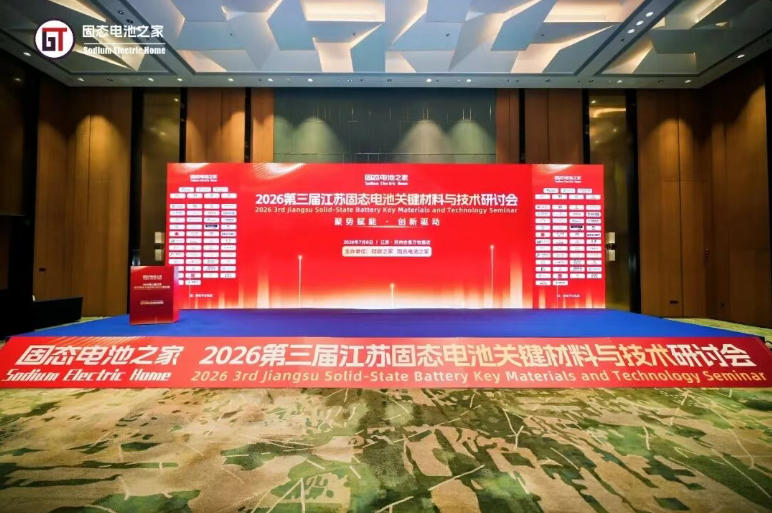
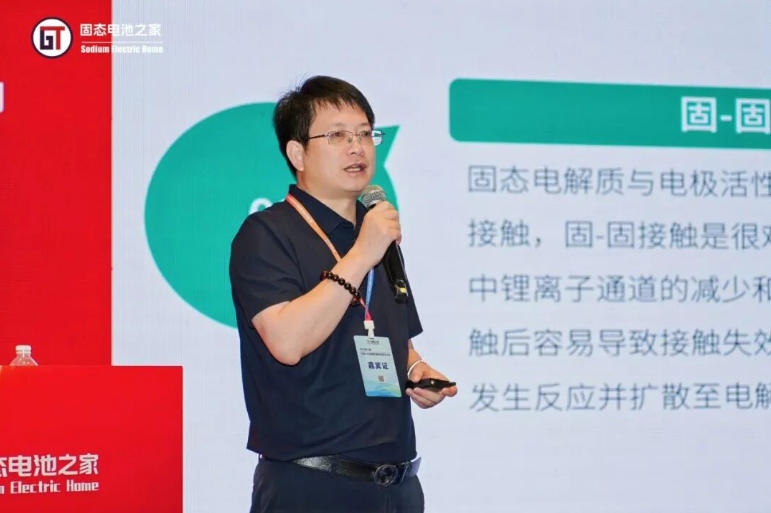
Li Xin, Deputy General Manager of Shenzhen Tsingyan Electronics Technology Co., Ltd., was invited to attend and deliver a featured keynote speech, sharing the company’s core technical achievements and process‑innovation experience.
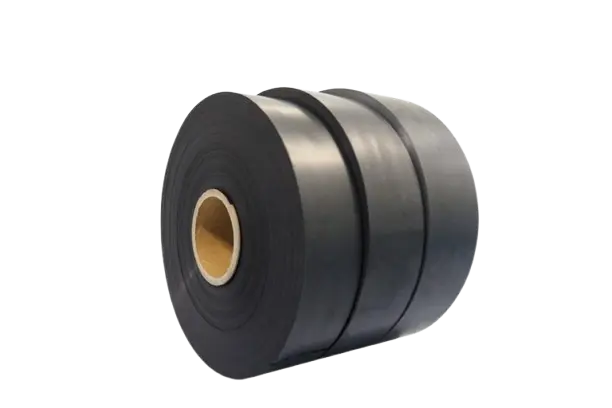
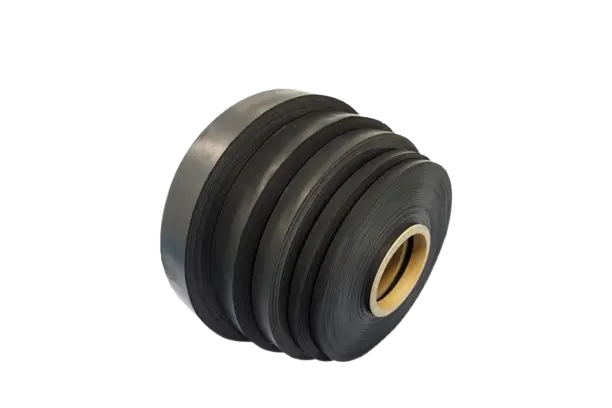
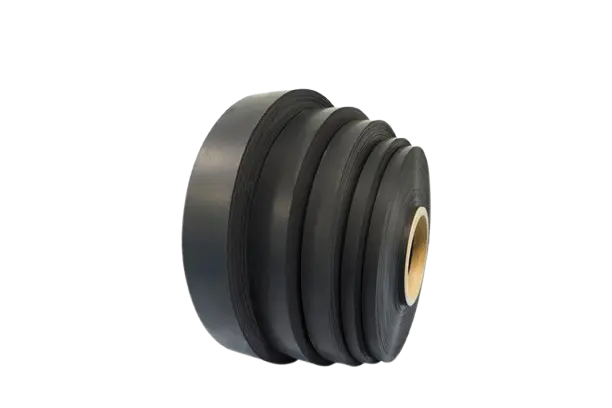
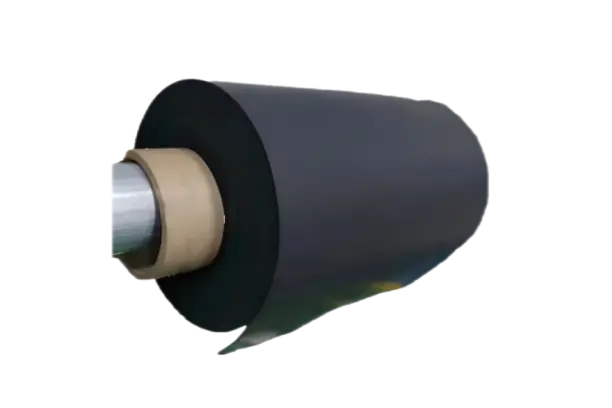
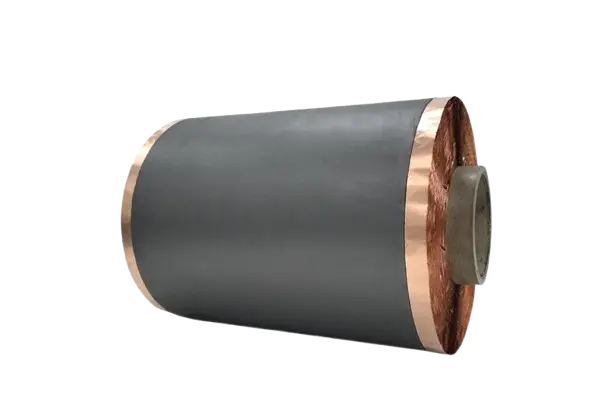
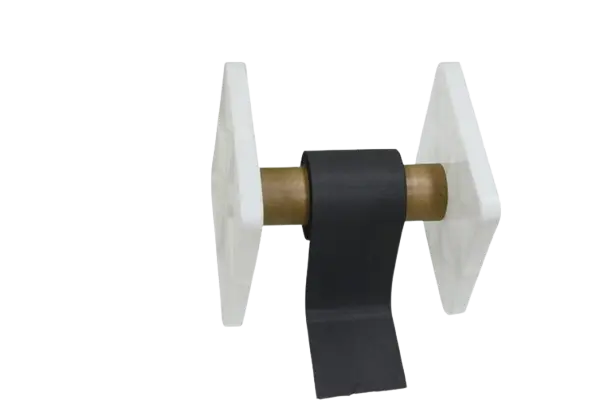
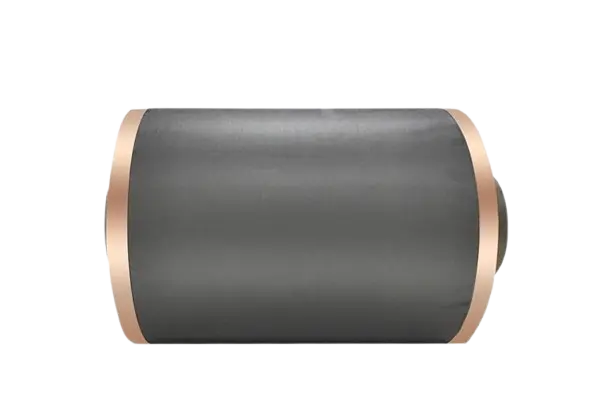
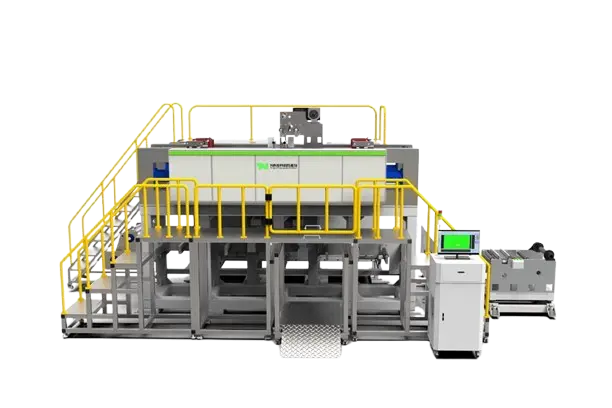
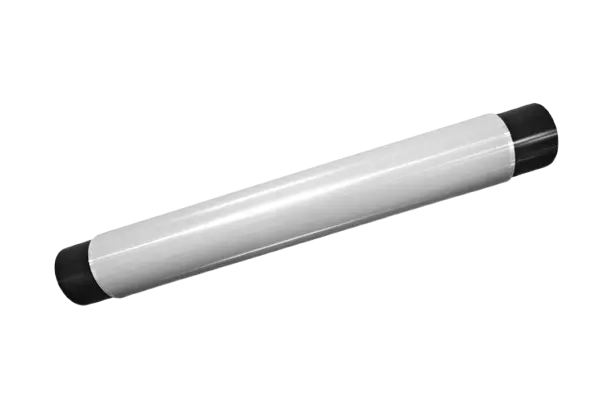
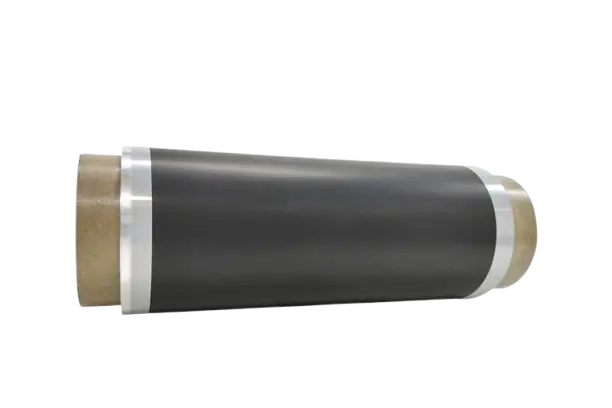
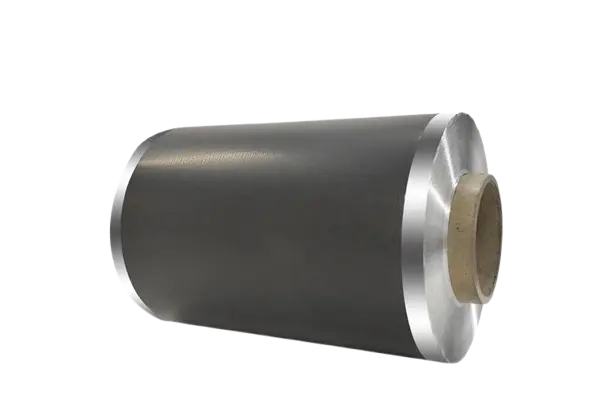
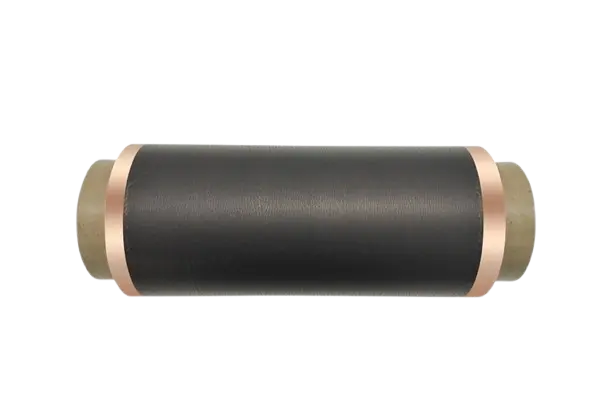
In his presentation Development of Dry‑Electrode Process Technology, Intelligent Equipment and Materials for All‑Solid‑State Batteries, Li Xin focused on innovative dry‑electrode manufacturing processes. He comprehensively outlined Tsingyan’s technical accumulation and latest R&D achievements in processes, intelligent equipment and supporting materials, and interpreted the diverse application value of dry‑electrode as a hybrid‑type manufacturing technology.
Breaking the application limits of single‑function technologies, dry‑electrode solutions are compatible not only with next‑generation all‑solid‑state batteries but also with all categories of conventional liquid lithium‑ion batteries. Representing a core technical route for both forward‑looking industrial layout and existing‑industry upgrading, it covers the full spectrum of battery segments.
For all‑solid‑state batteries, dry‑electrode manufacturing ranks among the most suitable processes for solid‑state systems. Conventional wet processes suffer from solvent residue and poor interfacial compatibility, which tend to trigger excessive solid‑solid interfacial impedance and accelerated cycle‑life degradation in solid‑state cells. The entirely solvent‑free dry‑electrode manufacturing fundamentally avoids such process‑related drawbacks. It optimizes interfacial contact between electrodes and solid electrolytes, improves energy density and safety stability, and works well with sulfide‑, oxide‑ and other solid‑electrolyte systems, delivering critical process support for large‑scale solid‑state‑battery production.
For mainstream liquid lithium‑ion batteries, dry‑electrode technology offers even broader practical value across power, energy‑storage, consumer‑grade and special‑purpose lithium‑ion segments, enabling quality improvement, cost reduction and green transformation for the traditional lithium‑ion industry. ‑ In power‑battery applications: suitable for EV cell manufacturing, raising electrode compacted density and cell capacity to extend vehicle driving range, while simplifying workflows and cutting production‑line energy consumption and manufacturing costs. ‑ In energy‑storage applications: applicable for grid‑scale, commercial‑industrial and residential energy‑storage batteries. The produced electrodes feature stable structures and longer cycle life to meet long‑duration operational requirements of storage hardware. ‑ In consumer‑battery applications: deployed for compact cells in smartphones, wearables and drones, balancing thin‑form‑factor design and high‑capacity requirements. ‑ In special‑purpose battery scenarios: compatible with aerospace and rail‑transport lithium‑ion batteries to satisfy stringent demands for high safety and reliability under harsh operating conditions.
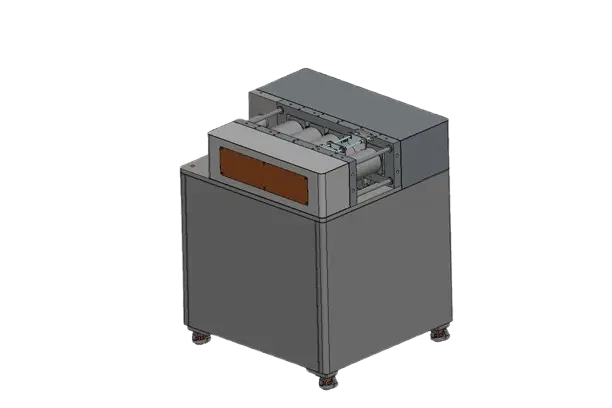
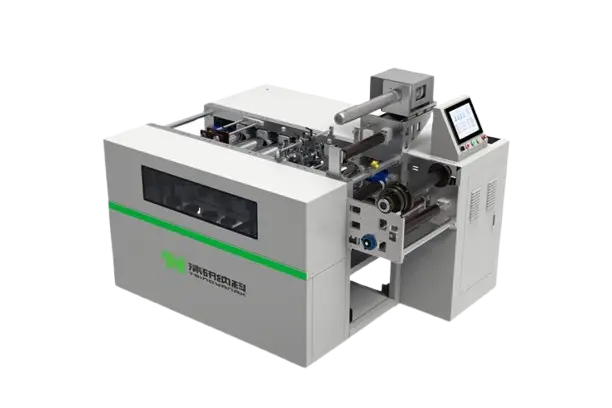
Tsingyan’s integrated dry‑electrode solution combining materials + processes + intelligent equipment caters to two major market needs: green‑field solid‑state‑battery line construction and retrofitting of existing lithium‑ion production lines, delivering proven, implementable technical support for the industry.
This presentation helped industry stakeholders fully recognize the cross‑generational, full‑scenario and highly‑compatible strengths of dry‑electrode technology, offering new insights for battery‑manufacturing innovation and industrial collaboration. Going forward, Tsingyan Electronics will keep advancing core dry‑electrode R&D and accelerate large‑scale commercial deployment to support high‑quality development of the new‑energy‑battery industry.

 English
 日本語
日本語 한국어
한국어 français
 Deutsch
 Español
 italiano
 русский
 português
 العربية
 tiếng việt