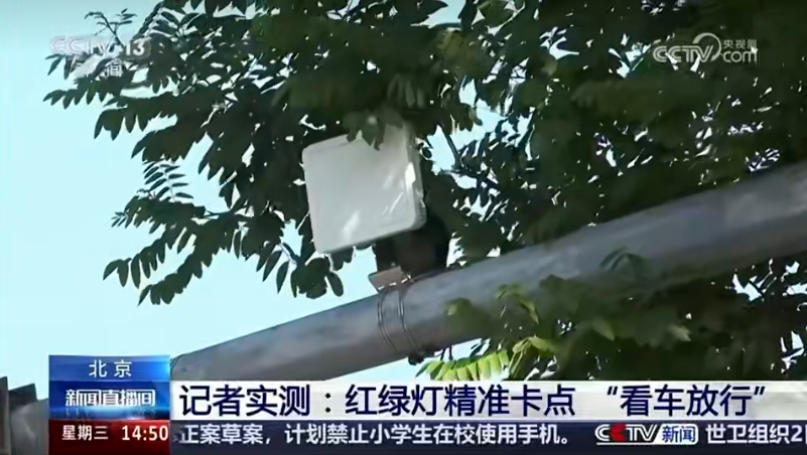
A smart‑road project in Tongzhou, Beijing, has recently been featured in a special report by CCTV News. The flagship integrated device from leading traffic‑radar firm Beili Ruixing, combining 92 GHz millimeter‑wave radar and 4K binocular‑vision AI deep‑fusion technology, has been officially put into operation. Boasting core strengths including an ultra‑long detection range of 500 m, full‑coverage for 10 traffic lanes, and high‑precision perception via dual‑sensor fusion, it serves as a demonstration project for China’s vehicle‑road collaboration and smart‑road‑network construction.
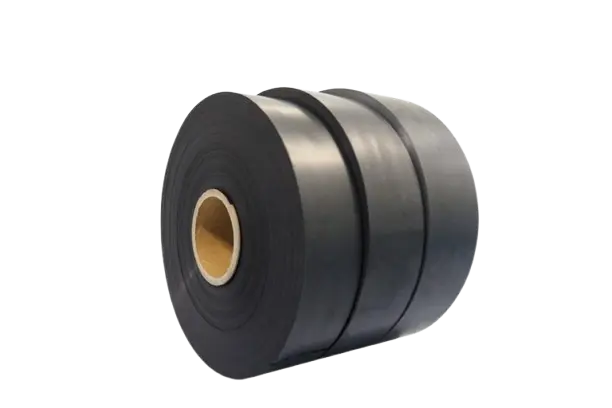
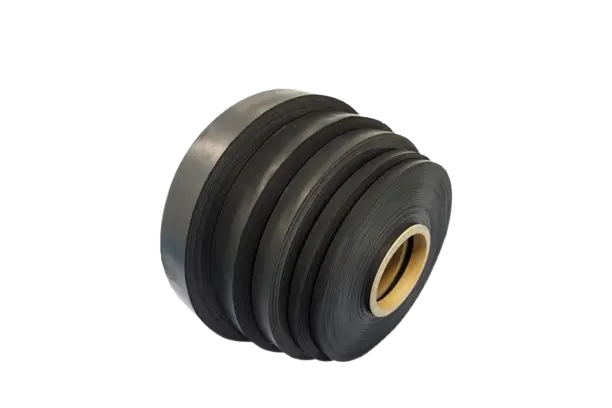
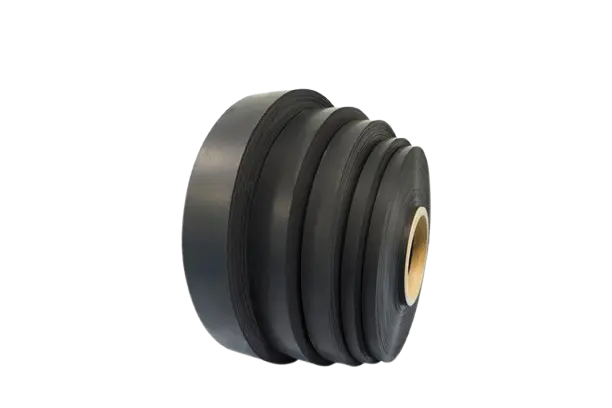
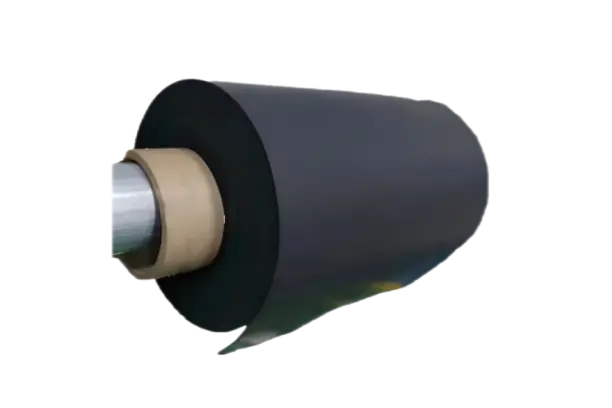
Behind the impressive performance lies dual breakthroughs: Beili Ruixing’s traffic‑radar design and localized radio‑frequency substrate technology. Tsingyan Electronics’ self‑developed TY‑HF3003 PTFE high‑frequency copper‑clad laminate delivers outstanding performance and precisely complies with the MIIT‑specified 92‑94 GHz frequency band for roadside radars. Supplied as a critical substrate material for Beili Ruixing, it helps break reliance on imported high‑end radar circuit‑board materials.
Per new MIIT regulations, domestic roadside radars shall exclusively adopt the dedicated 92‑94 GHz frequency band starting January 1, 2026. This band is completely isolated from the 76‑79 GHz band used for automotive‑borne radars, eliminating co‑frequency interference and greatly improving the accuracy and stability of traffic‑perception systems. The extreme 92 GHz operating environment imposes stringent requirements on substrates. Ordinary circuit boards suffer heavy signal loss and unstable parameters and cannot meet high‑precision detection demands. High‑frequency copper‑clad laminates represent the fundamental material determining roadside‑radar performance.
Beili Ruixing’s 92 GHz radar‑vision integrated unit adopts binocular‑sensor fusion to offset weaknesses of single‑sensor solutions, and is deployable across smart‑transport scenarios such as urban intersections, highways, bridges and tunnels. Built on Tsingyan’s proprietary dry‑process PTFE film‑forming technology, TY‑HF3003 high‑frequency CCL is purpose‑engineered for the 92‑94 GHz millimeter‑wave range. Having passed a full suite of rigorous tests, it matches the performance of imported boards and enables all‑weather, high‑precision and stable operation of end equipment.
01 Ultra‑Low Loss for Long‑Range Accurate Detection
Stable Dk of 3.0 ± 0.04 and Df as low as 0.0007 yield minimal signal attenuation across the full frequency spectrum. It prevents signal loss and detection misjudgment at the material level, reliably supporting 500‑meter long‑distance high‑precision detection.
02 High Stability Across Operating Conditions for Harsh Outdoor Environments
Enabled by ceramic‑modified composite technology, the material resists extreme temperatures, humidity and corrosion. Its parameters remain drift‑free over wide temperature ranges. It reliably withstands harsh outdoor conditions including intense sunlight, rain‑snow exposure and salt‑spray, ensuring year‑round stable equipment operation and lower maintenance costs.
03 High Reliability for Scaled‑Up Mass‑Production
Optimized coefficient of thermal expansion delivers strong copper‑foil adhesion, effectively suppressing delamination and foil‑peeling risks caused by soldering and long‑term vibration for extended service life. Mature domestic mass‑production processes ensure excellent batch‑to‑batch consistency and stable delivery, resolving long‑standing pain points of imported boards: high pricing, long lead‑times and constrained supply chains.
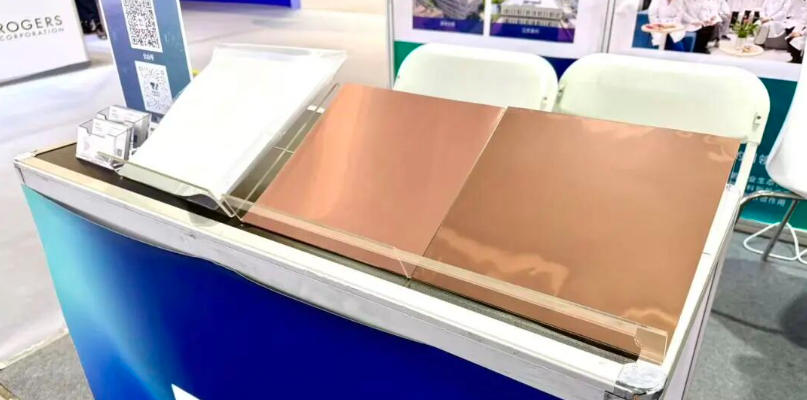
From conventional 76‑79 GHz automotive millimeter‑wave radars to the newly‑specified 92‑94 GHz roadside radars, Tsingyan Electronics keeps advancing high‑end PTFE high‑frequency substrate development through in‑house R&D and process innovation.
This nationally‑significant smart‑transport project covered by CCTV not only validates the performance of TY‑HF3003 high‑frequency CCL, but also marks an important milestone for Tsingyan in advancing independent controllability of core hardware and key materials for smart transportation.
This marks the third time Tsingyan Electronics’ products have appeared on CCTV, following previous coverage including Focus Interview and a report on dry‑electrode equipment supporting GAC to build China’s first large‑capacity all‑solid‑state‑battery production line.
Going forward, accelerated construction of smart road networks and vehicle‑road coordination will fuel surging demand for 92 GHz roadside radars. Tsingyan will continue optimizing the formulation and manufacturing processes of TY‑HF3003, push further domestic substitution of high‑frequency substrates, and support China’s smart‑transport infrastructure with home‑grown circuit‑board materials.
 What Are Electric Car Batteries Made Of?
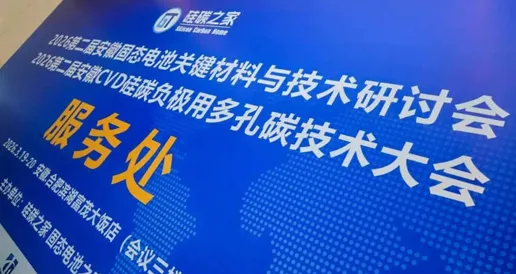 Li Xin of Tsingyan Electronics Attends the 2nd Anhui Symposium on Key Materials and Technologies for Solid‑State Batteries 2026
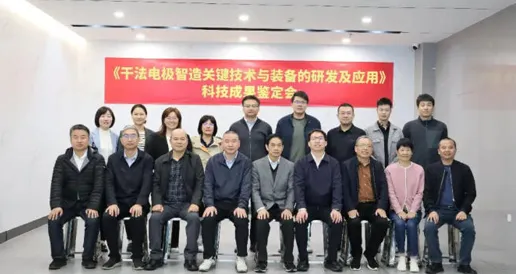 Tsingyan Electronics’ Wide‑Width High‑Speed Dry‑Electrode “Dual‑Side Simultaneous Film‑Forming‑Hot‑Press Lamination” Roll‑to‑Roll Integrated Continuous Intelligent Manufacturing Process and Complete Equipment Reach International Leading Level

 English
 日本語
日本語 한국어
한국어 français
 Deutsch
 Español
 italiano
 русский
 português
 العربية
 tiếng việt