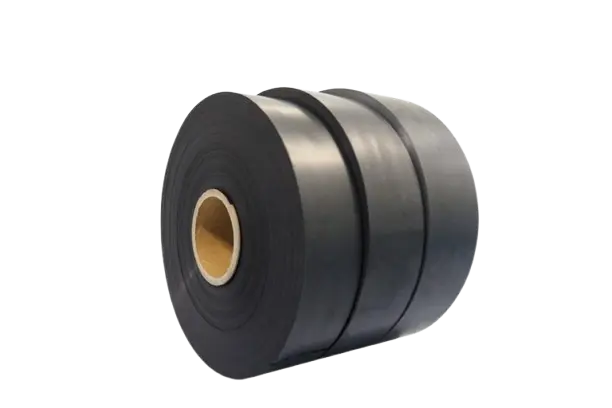
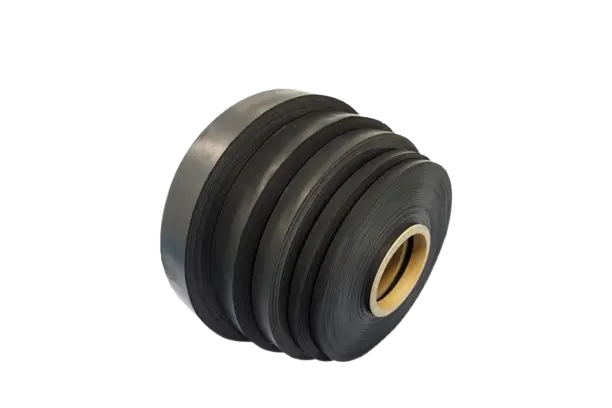
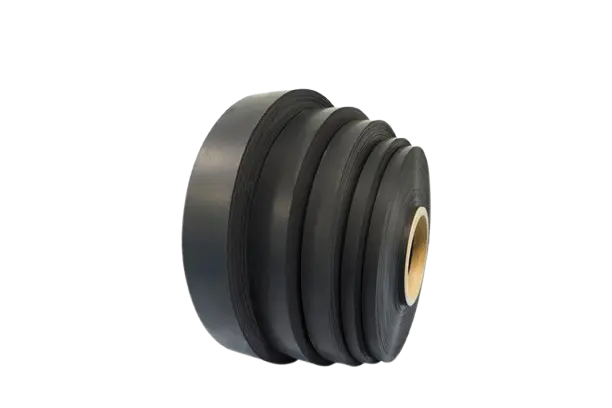
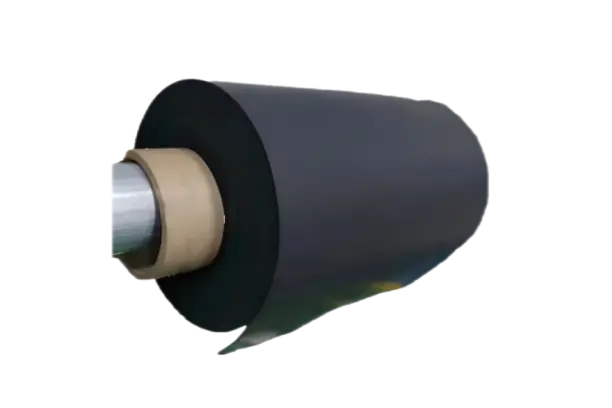
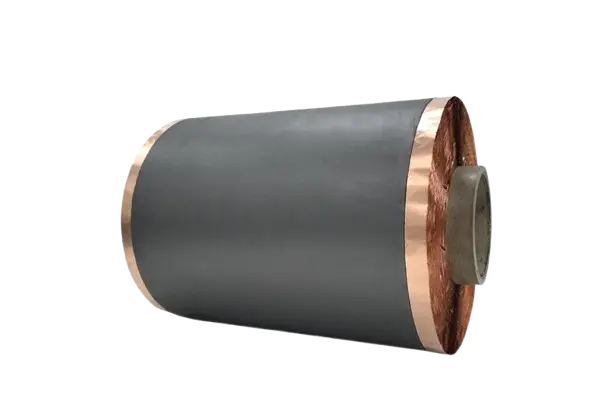
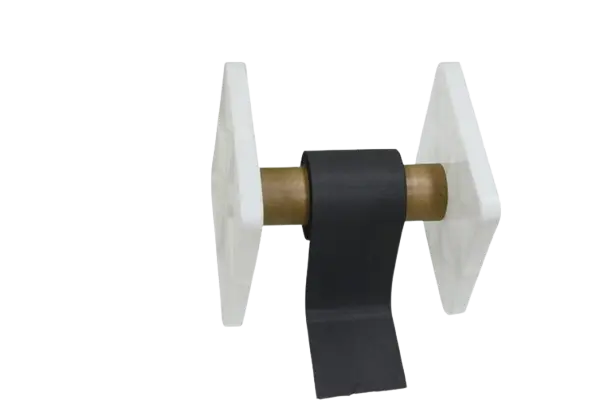
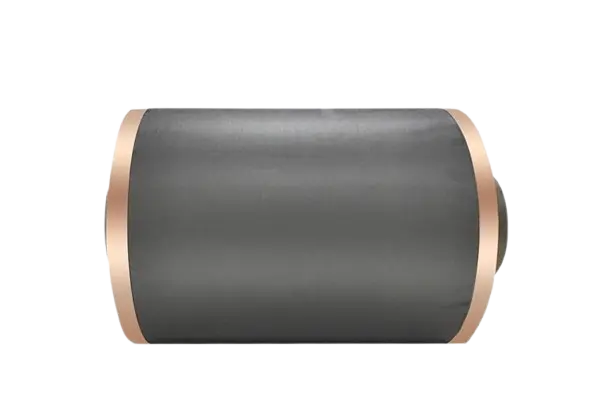
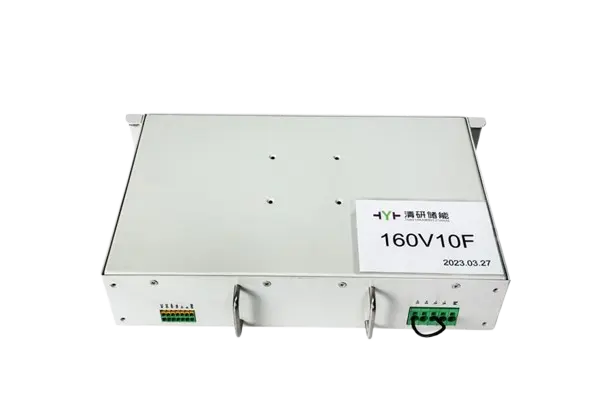
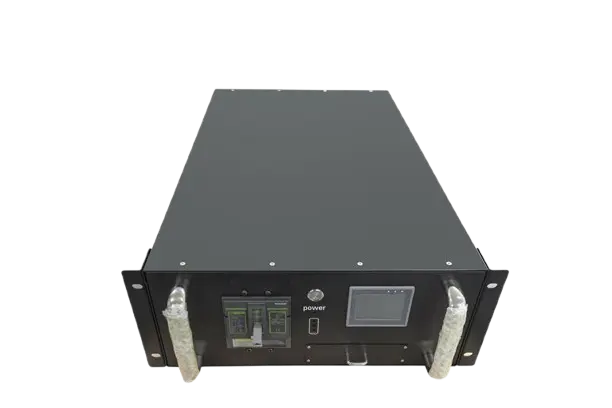
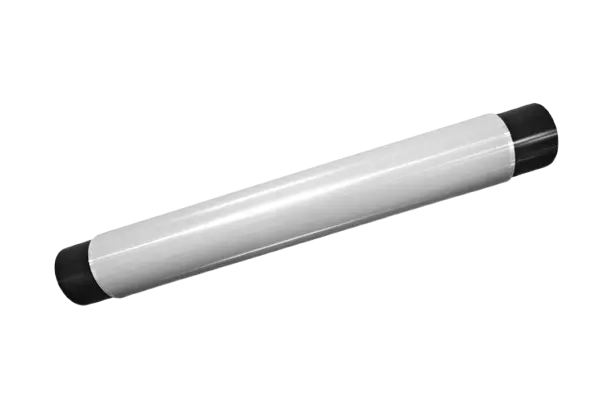
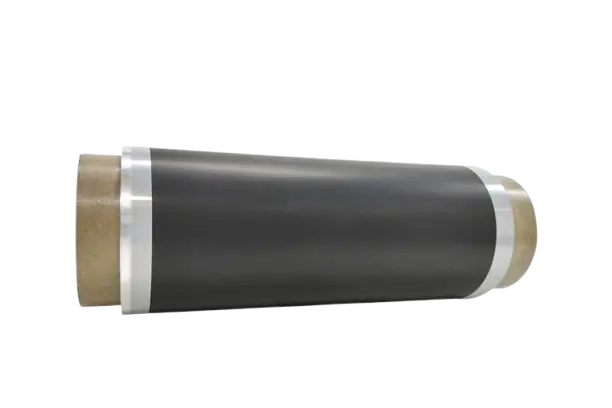
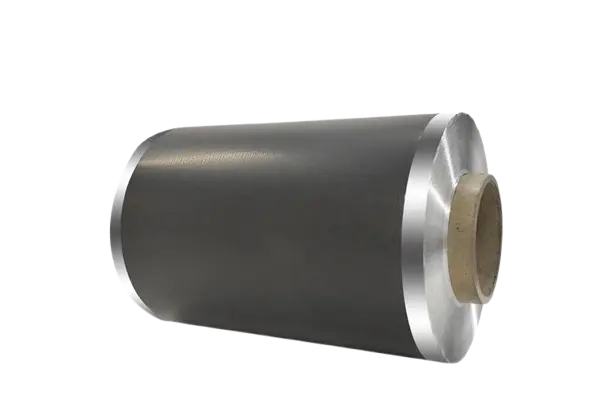
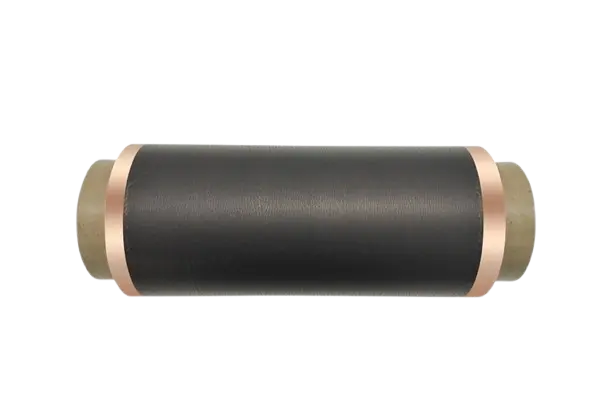
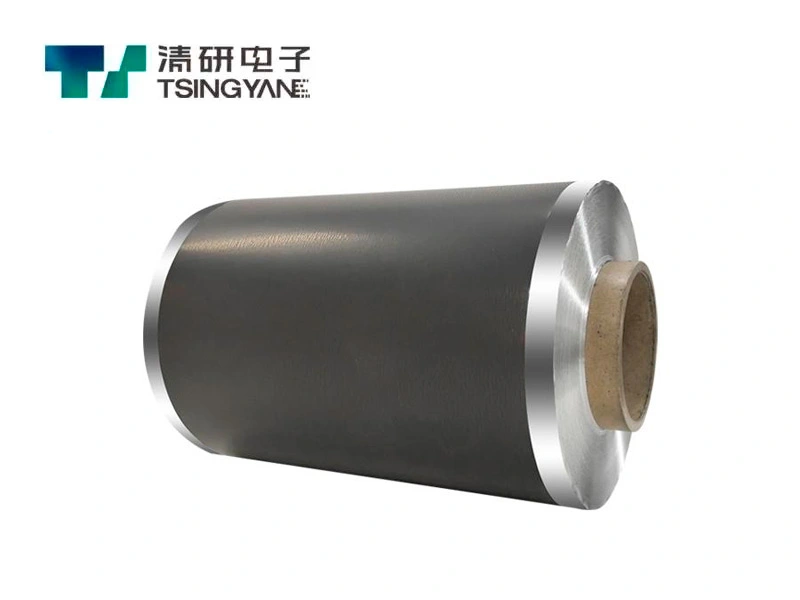
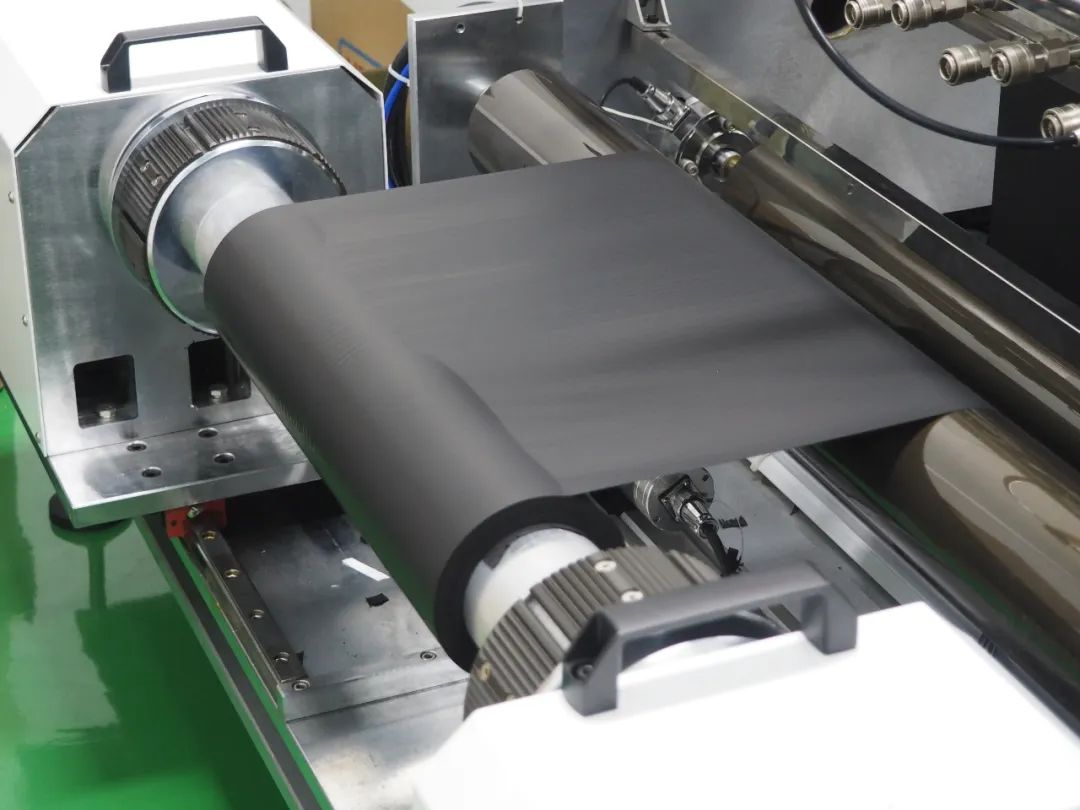
“AI developers worldwide are hunting for this material.” On the morning of July 4, inside the laboratory building of Tsinghua‑Shenzhen International Graduate School, staff in protective suits operated a PTFE‑based high‑frequency‑high‑speed copper‑clad‑laminate (CCL) pilot‑production line. Finished CCL panels will be delivered to PCB manufacturers and processed into high‑end circuit boards for AI data centers and high‑speed‑communication hardware, serving as critical foundational materials for high‑speed signal transmission.
Reporters from the Dynamic‑China Investigation Tour, comprising dozens of national and provincial mainstream media including People’s Daily, Xinhua News Agency and China Media Group, visited the International Headquarters of the Guangdong‑Hong‑Kong‑Macao Greater Bay Area National Center of Technology Innovation (GBA‑NCTI). They gained on‑site insights into Shenzhen’s robust science‑and‑technology vitality.
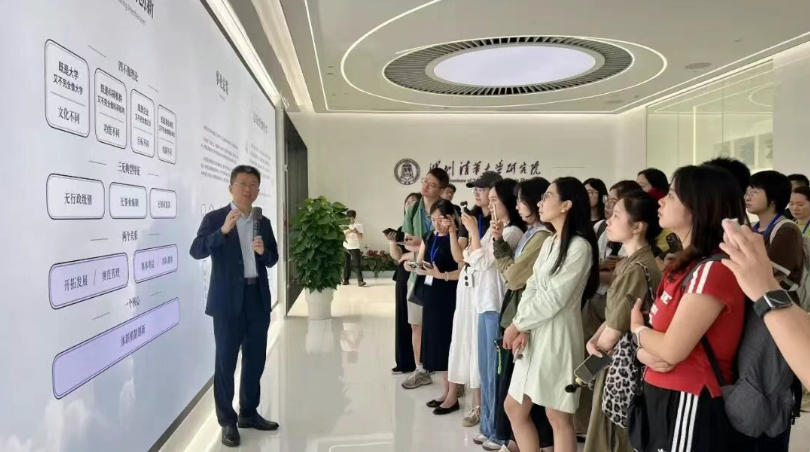
Reporters of the Dynamic‑China Investigation Tour visit the International Headquarters of GBA‑NCTI.
PCBs mechanically support and electrically interconnect electronic components and are used across diverse electronic hardware. Copper‑clad laminate (CCL) is the fundamental raw‑material for PCB fabrication. Driven by the AI‑computing boom, demand for high‑frequency‑high‑speed CCL has surged for AI servers, high‑speed switches and millimeter‑wave radars.
For decades, hydrocarbon‑ and epoxy‑resin‑based CCL dominated the market. Yet rising signal‑transmission speeds expose their performance limits, making them inadequate for sophisticated AI‑grade applications.
“AI companies around the globe are seeking this very substrate,” said Dr. Wang Chen, Director of the Next‑Generation High‑Frequency‑High‑Speed CCL Innovation Center at the International Headquarters. Few players worldwide master core manufacturing processes for high‑end CCL; order books stretch well into next year. International AI firms are reaching out through downstream PCB partners seeking collaboration.
This industrial achievement did not happen overnight. Back in 2018, the team launched fundamental research applying Powder‑into‑Film‑System (PIFs) technology to CCL production. “Material defines performance. We anticipated that soaring power consumption and data rates within AI data‑centers would make PTFE a pivotal technical direction for future high‑frequency‑high‑speed CCL, so we invested early in this material system,” Dr. Wang explained. At that time, premium‑grade CCL was monopolized by overseas vendors including Rogers (U.S.), AGC and Panasonic (Japan), leaving China’s supply‑chain in urgent need of domestic breakthroughs.
Nevertheless, PTFE posed severe processing challenges and market demand remained dormant. The project faced dual headwinds of market uncertainty and capital pressure. With sustained support from Shenzhen’s science‑and‑technology authorities, the team persisted in R&D. In 2021, high‑frequency‑high‑speed CCL development was designated a key municipal special‑research project of Shenzhen. By 2024, the program achieved milestone progress. Serial products passed validation by PCB manufacturers. A Class‑1000 pilot‑scale CCL production base was completed within the joint‑laboratory at the International Headquarters, closing the final gap toward domestic industrialization of high‑end CCL.
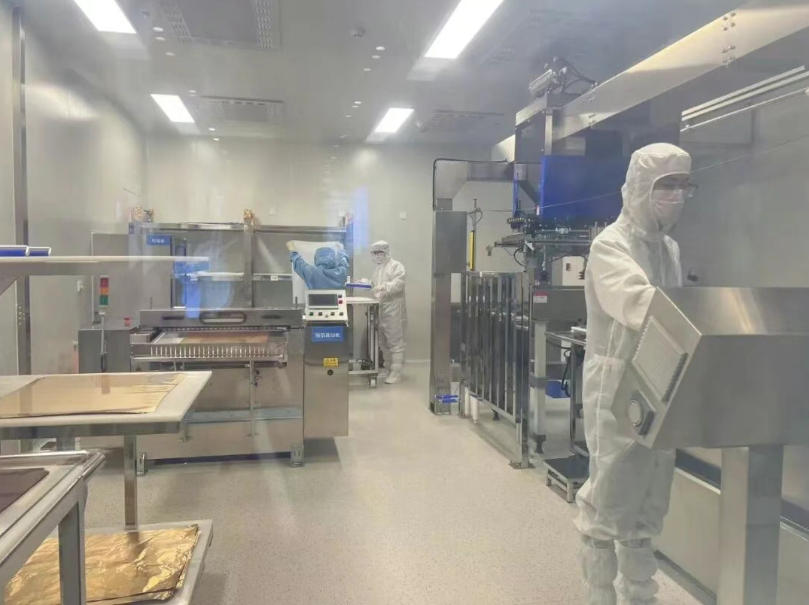
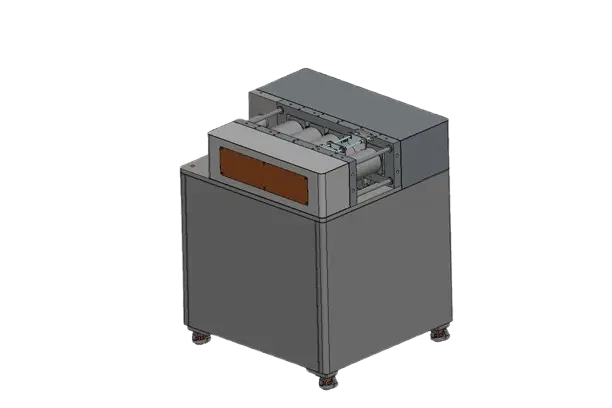
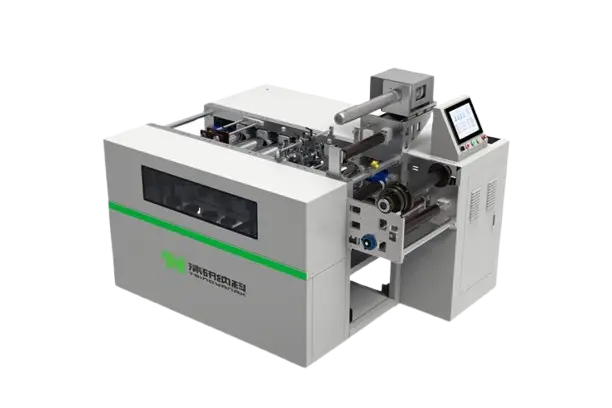
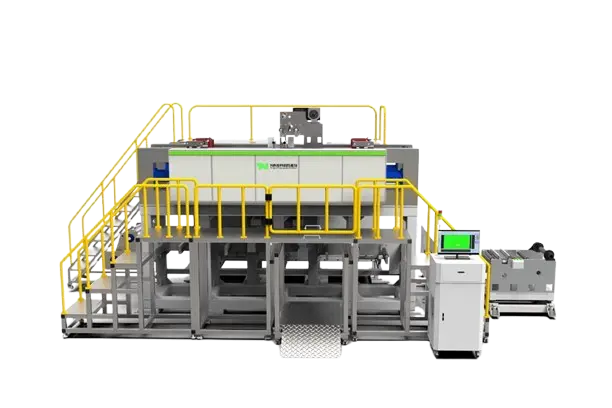
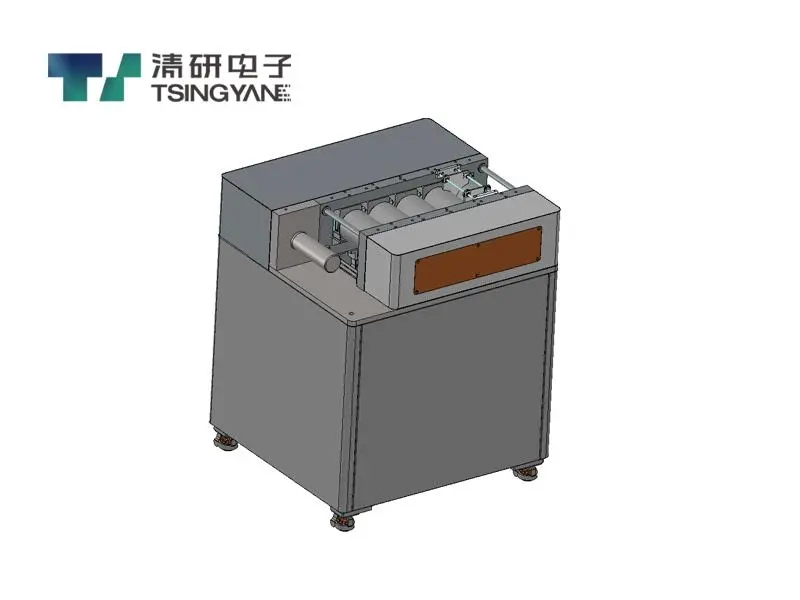
PTFE‑based high‑frequency‑high‑speed CCL pilot‑production line at GBA‑NCTI International Headquarters.
“The pilot‑line validates full‑process workflows before scaling up toward commercial‑volume manufacturing,” Dr. Wang noted. Leveraging proprietary PIFs powder‑to‑film technology, complemented by ceramic‑powder surface‑modification and custom‑resin development, the workflow is streamlined. Dielectric loss of finished products is reduced by roughly 20 %. Production costs are lowered while overall performance improves, forming an IP‑protected technical system whose key performance indicators match international‑leading benchmarks.
So far, more than 200 sample panels have been supplied to downstream customers and successfully qualified. Products are gradually integrating into industrial chains as domestically‑controlled foundational materials for AI data‑centers and millimeter‑wave radars. The pilot‑base presently delivers an annual output of approximately 20 000 m². Capacity will soon expand to ten production lines, targeting 300 000 m² annual output for Phase‑I and 1 million m² upon completion of Phase‑II.
The commercialization of domestic PTFE‑based high‑frequency‑high‑speed CCL represents merely one success story. At GBA‑NCTI International Headquarters, multiple future‑oriented sci‑tech projects are overcoming core technical hurdles. Following the path of concept verification → pilot‑scale amplification → industrial translation, innovations keep moving out of laboratories and into markets.
A next‑generation brain‑computer‑interaction system built on high‑throughput flexible brain‑machine interfaces and AI neural‑decoding features self‑developed guide‑wire‑driven high‑density flexible electrodes and pioneering large‑model‑powered real‑time Mandarin‑speech decoding. Clinical trials have been completed at local Shenzhen hospitals.
Organoid‑and‑organ‑chip projects covering liver, kidney and intestinal tissues deploy microfluidics to build human‑derived bionic organ models. They can partially replace traditional animal testing and improve predictive accuracy for new‑drug in‑vitro evaluation, addressing long‑standing “unreliable‑testing‑result” pain‑points in pharmaceutical R&D.
China’s first elastic‑computing‑resource‑scheduling platform innovates a “computing‑instead‑of‑storage” paradigm. Powered by grid‑style computing orchestration and intelligent supply‑demand‑matching algorithms, it delivers one‑stop elastic‑computing solutions for AI inference, scientific computation and data processing.
These forward‑looking innovations are accelerating toward industrial deployment.
“As an integral component of GBA‑NCTI, the International Headquarters prioritizes biomedicine, high‑performance‑materials and artificial intelligence. It drives core‑technology research and pilot‑level achievement translation,” said Liu Renchen, Director of GBA‑NCTI International Headquarters. Its mission is to respond to major industrial technical demands, mobilize global innovation resources, organize goal‑oriented research together with industry leaders, and foster new‑quality productive forces.
Benefiting from the distinctive institutional mechanism inherited from Tsinghua‑Shenzhen International Graduate School, the International Headquarters operates six functional modules: concept validation, pilot‑engineering, talent support, science‑technology finance, incubation services and international cooperation. It strives to cross the “first‑mile” gap for early‑stage research projects and bridge lab‑to‑factory divides for more innovations.
Platform competitiveness ultimately hinges on talent. Over the past year alone, the International Headquarters recruited over one‑hundred young innovators; post‑2000s account for more than one‑quarter and post‑1995s exceed one‑third of total hires. Young researchers and entrepreneurs conduct original research targeting national strategic needs and continuously build innovation momentum across future‑industry tracks. As more projects complete concept verification, engineering validation and commercial roll‑out, this “special‑force” talent pool keeps generating fresh innovation‑dynamics for Shenzhen.
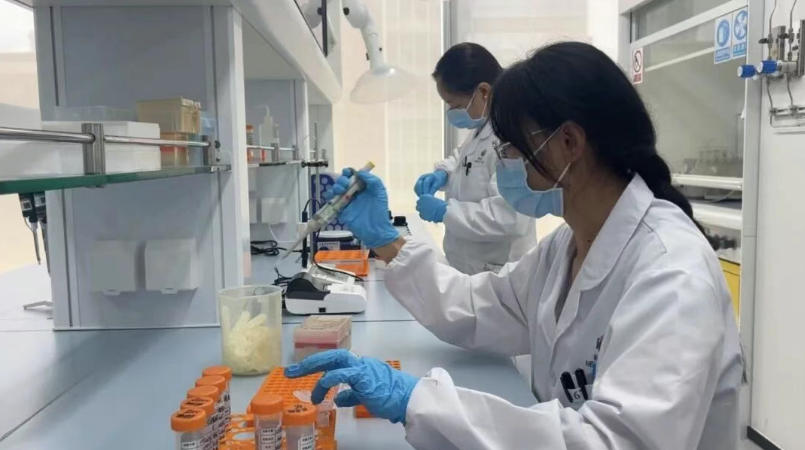
Analysis‑and‑Testing Center of GBA‑NCTI International Headquarters
“Attracting teams is only the first step. Retaining and enabling their growth requires mature public scientific‑service infrastructure,” commented Liao Zhenhua, Director of the Analysis‑and‑Testing Center at GBA‑NCTI International Headquarters.
The Analysis‑and‑Testing Center houses sophisticated instruments including mass‑spectrometry, nuclear‑magnetic‑resonance spectroscopy and chromatograph‑mass‑spectrometry systems. Shared physical‑chemical laboratories and shared cell‑culture labs are also available. It delivers end‑to‑end public technical services for biomedicine and advanced‑materials projects, enabling seamless workflows from lab‑scale R&D to characterization testing for resident teams.
Open also to external clients, the shared platform drastically lowers innovation costs for startups. “Occupancy has reached 90 % since commissioning last year,” Liao Zhenhua added. Beyond analytical services, the center supports pilot‑scale process scaling. It serves as a vital carrier for deep industry‑university‑research integration and underpins the transformation of scientific‑research outputs.
From heavily‑sought‑after high‑end CCL to a portfolio of original future‑industry technologies, the integrated “R&D‑pilot‑incubation” innovation ecosystem at the International Headquarters keeps unlocking bottlenecks for technology transfer. More innovations traverse the “first‑mile” toward real‑world industries and markets, vividly demonstrating Shenzhen’s perpetual innovation vitality.
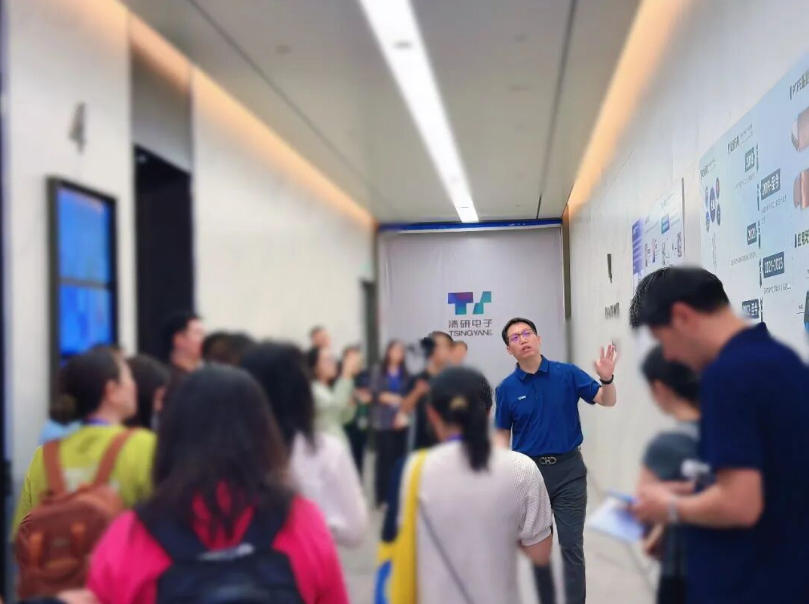
Dr. Wang Chen, Director of Next‑Generation High‑Frequency‑High‑Speed CCL Innovation Center, GBA‑NCTI International Headquarters

 English
 日本語
日本語 한국어
한국어 français
 Deutsch
 Español
 italiano
 русский
 português
 العربية
 tiếng việt