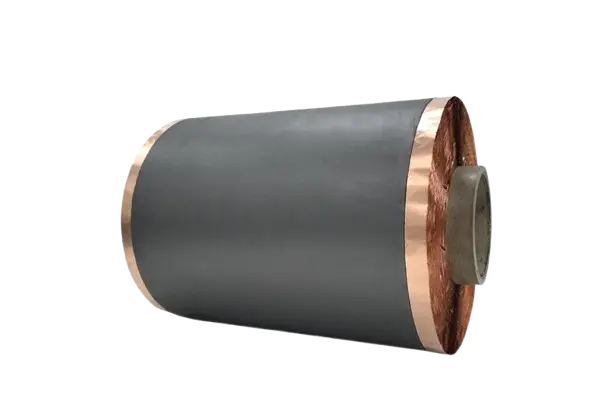
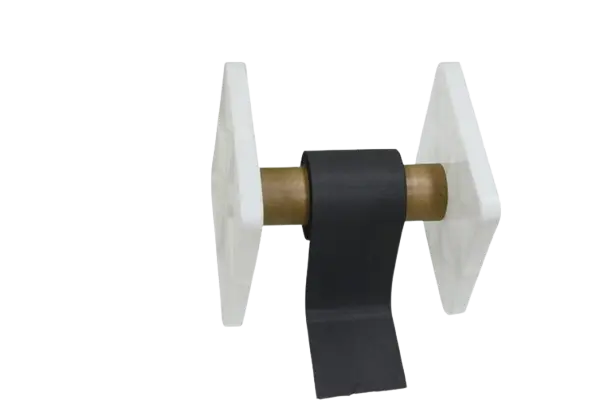
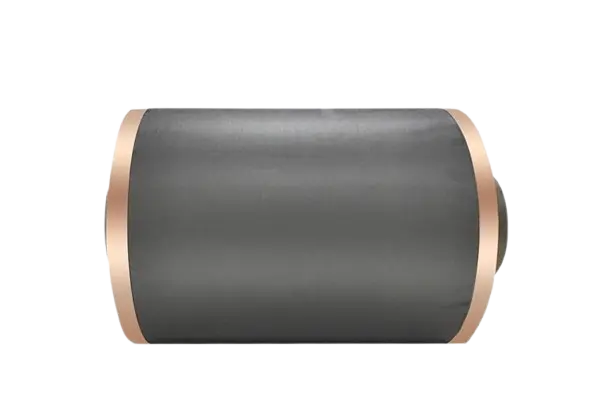
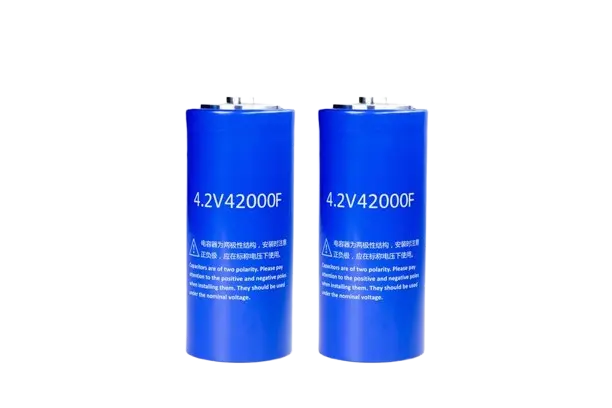
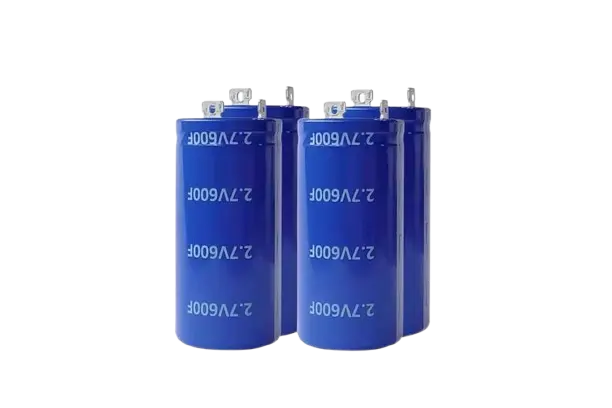
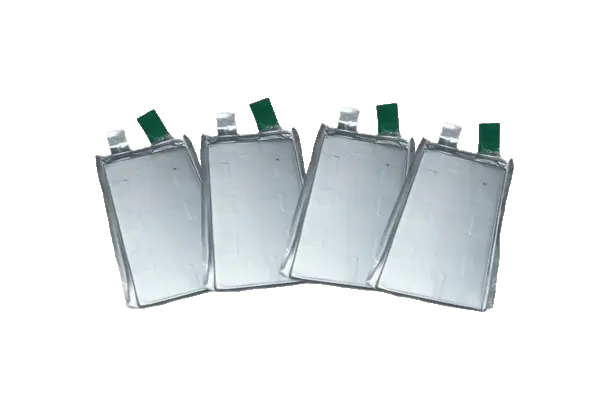
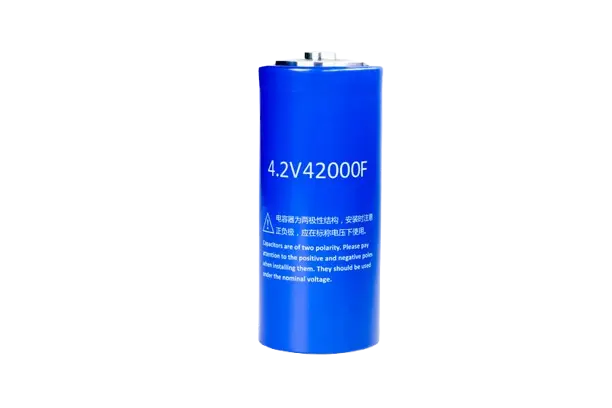
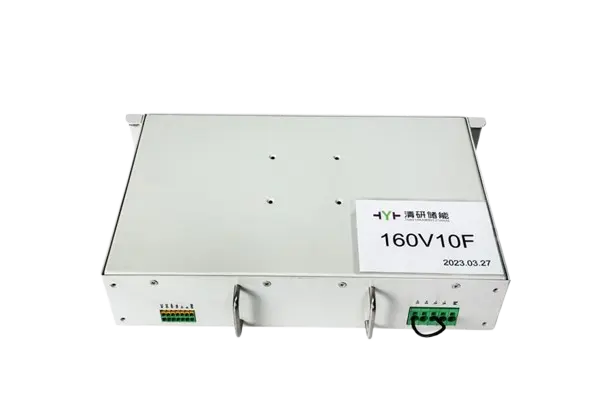
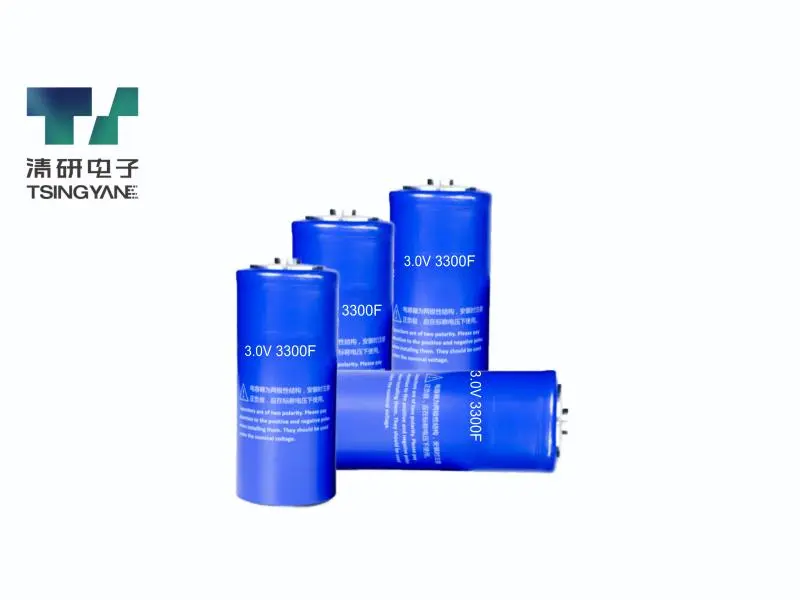
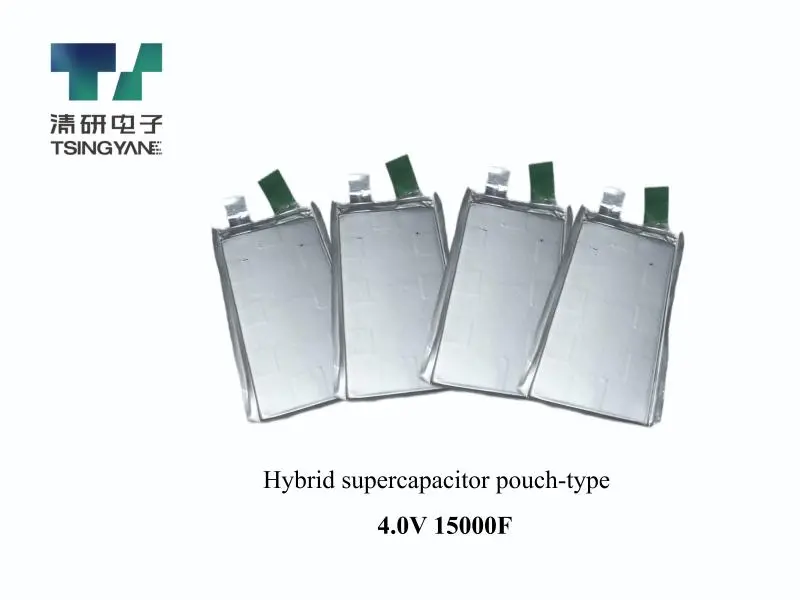
A supercapacitor, as the name suggests, is an electrochemical energy storage device that lies between traditional capacitors and batteries. Supercapacitors have a higher energy density than traditional capacitors, can be quickly charged and discharged like capacitors, and possess a long cycle life and high power density.
The principal materials for the positive and negative electrodes of supercapacitors are primarily activated carbon, which has an ignition point as high as 350℃ and burns slowly. The activated carbon is sealed inside the supercapacitor unit, further enhancing its safety.
Supercapacitors generally operate based on the principles of double-layer capacitance and pseudocapacitance. In the case of double-layer capacitance, when electrodes are immersed in an electrolyte, a double electric layer forms at the interface between the electrodes and the electrolyte.
Nowadays, many electric vehicles use rechargeable lithium batteries, which charge slowly, while supercapacitors can achieve rapid charging, completing a full charge in just 10 seconds to 10 minutes. In scenarios requiring frequent rapid charging and discharging, supercapacitors perform exceptionally well, such as in the acceleration and brake energy recovery of electric vehicles. During these processes, supercapacitors can provide or absorb large amounts of power instantaneously.
Supercapacitors are also used for frequency and voltage regulation in power grids, providing quick responses to power changes in the grid and maintaining grid stability. Common lithium batteries typically have a cycle life of about 2000-4000 cycles, and the more cycles, the less energy they store, necessitating battery replacement after several years of use. In contrast, a supercapacitor's cycle life reaches 500,000 to 1,000,000 cycles, with a service life extending beyond 10 years.
In the industrial sector, lifting machinery and elevator potential energy recovery systems benefit from the supercapacitor's long cycle life, effectively reducing equipment maintenance costs. Common capacitors typically have capacitance units in pF or μF, but supercapacitors can store up to the F level. For example, if a supercapacitor has a capacitance of 5F and is charged with a voltage equivalent to two AA batteries (around 3V), the amount of charge stored would reach 15C, approximately equivalent to a lightning bolt.
Therefore, supercapacitors are also particularly suited to storing energy from clean sources like solar and wind power. Because supercapacitors use carbon materials rather than common battery chemicals, they do not cause heavy metal pollution and have long life spans, making them poised to play a significant role in a future focused on carbon neutrality.
As an electrochemical energy storage device situated between traditional capacitors and batteries, supercapacitors feature high energy density, rapid charge and discharge, long cycle life, and high power density. Through years of commercialization and technological advancements, they have found wide applications and substantial potential in markets like new energy vehicles and smart grids. Despite some technical challenges, ongoing technological development is expected to resolve these issues, allowing supercapacitors to combine with solid-state batteries to form hybrid energy storage systems, playing an increasingly important role in the energy storage field.
 What is a dry electrode?
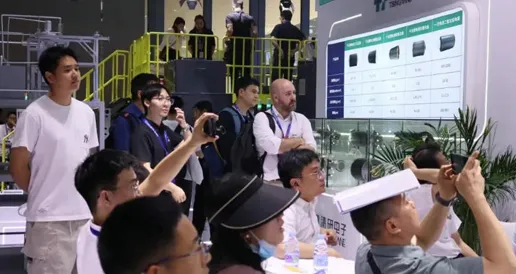 Focusing on Dry‑Process Innovation, Empowering Battery’s Future | Tsingyan Electronics Showcases Core Technologies at CIBF 2026, Setting New Industry Benchmarks
 Discussing New Opportunities of Dry Electrode Technology in Solid-State Battery Industry – Dr. Wang Chen from Tsingyan Electronics Attends 2025 Gaogong Lithium Battery Summit

 English
 日本語
日本語 한국어
한국어 français
 Deutsch
 Español
 italiano
 русский
 português
 العربية
 tiếng việt