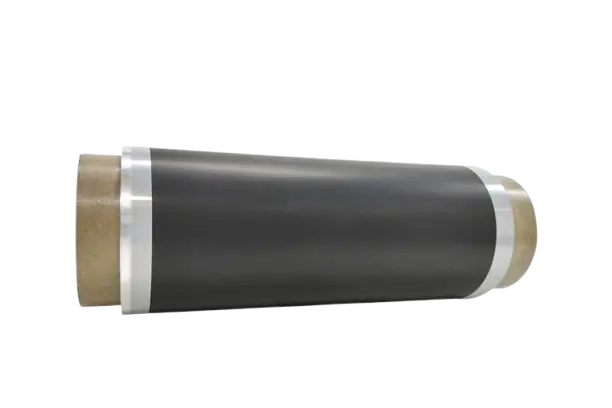
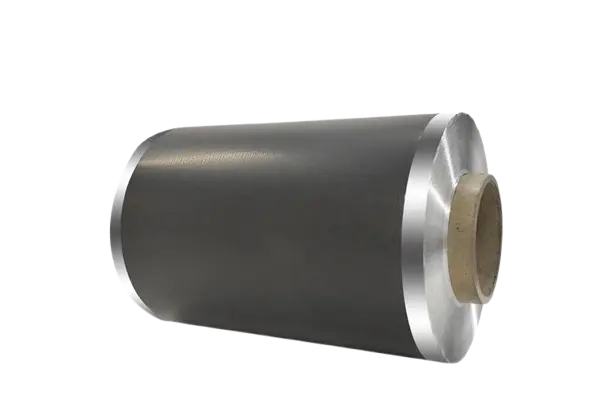
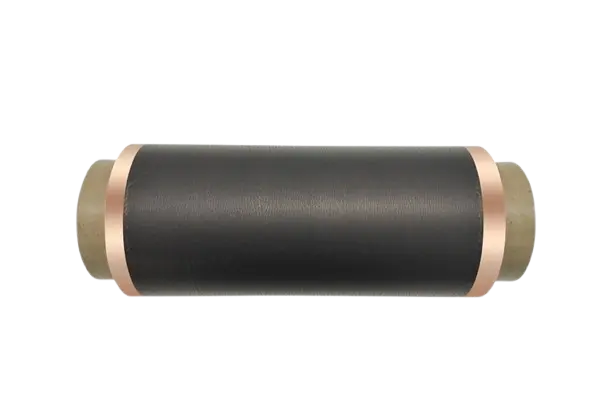
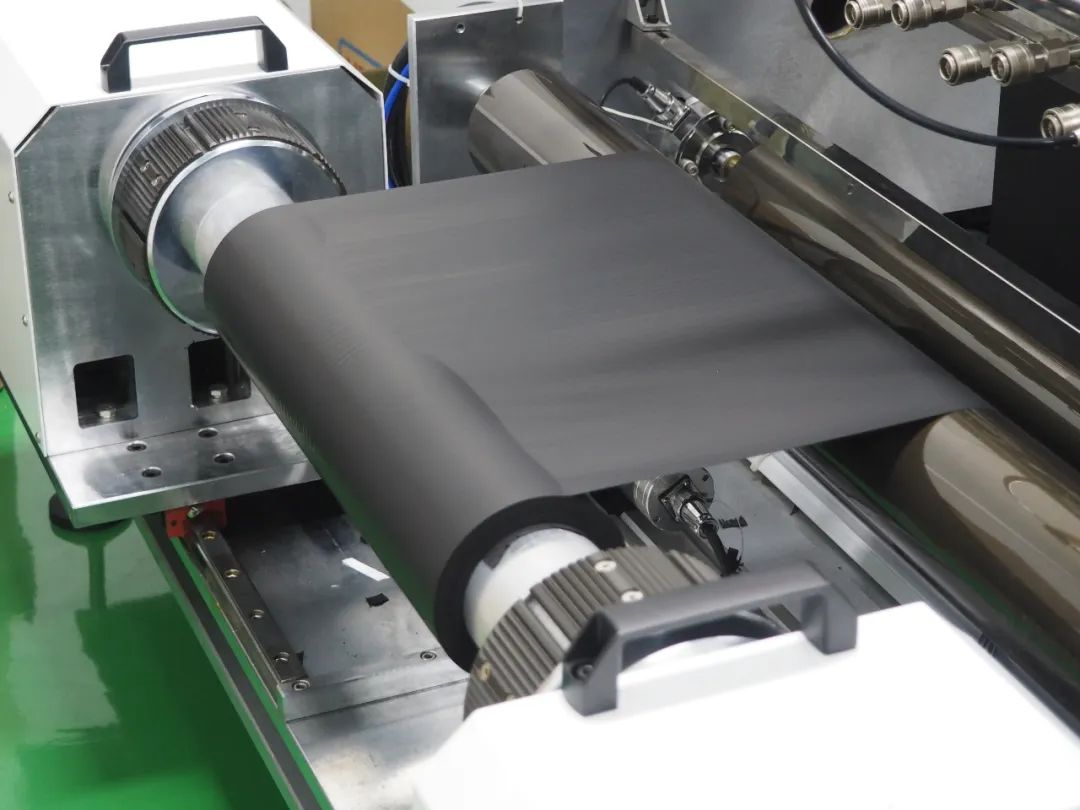
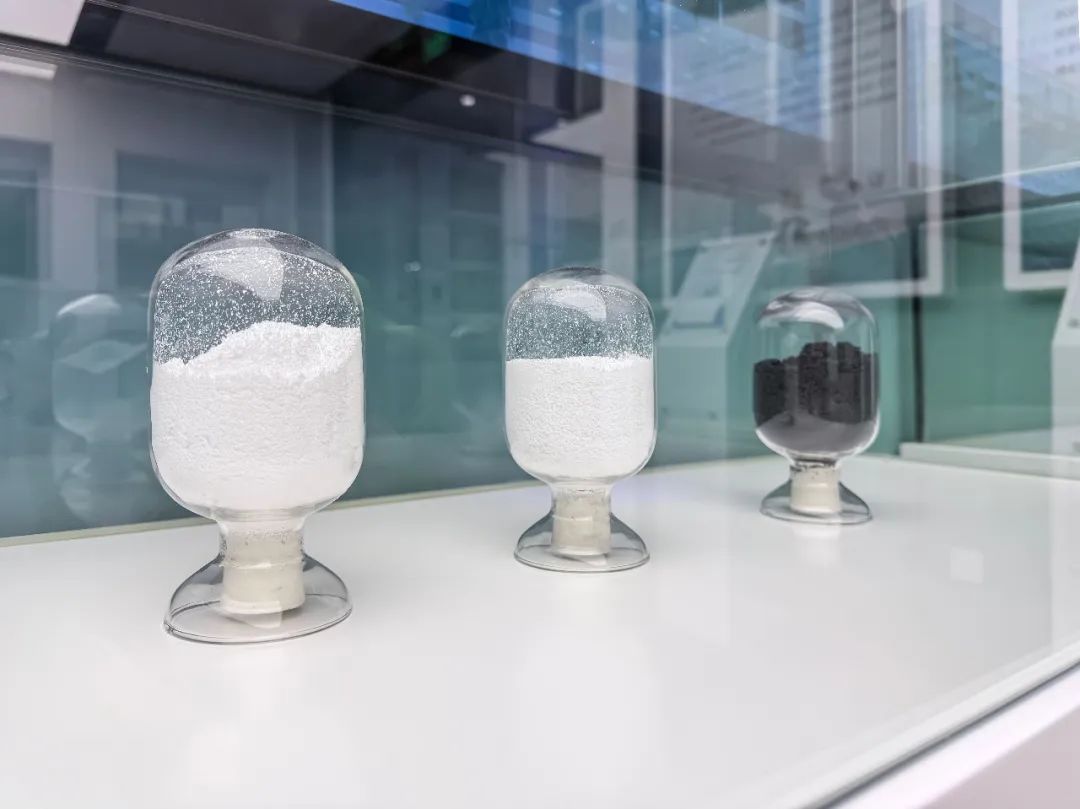
The evolution of lithium-ion batteries hinges on the development of advanced cathode materials that surpass the performance of current standards like lithium cobalt oxide (LiCoO2) and lithium iron pho...
Solid-state batteries represent a promising frontier in energy storage, offering potential improvements in safety, energy density, and longevity compared to traditional lithium-ion batteries. The cath...
As the world transitions to sustainable transportation, electric vehicles (EVs) are emerging as a key solution to replace diesel- and gasoline-powered cars, addressing the pressing need to reduce air ...
Lithium iron phosphate, commonly known as LiFePO4, is a widely used cathode material in lithium-ion batteries, valued for its unique olivine structure that ensures high thermal stability, extended cyc...
Batteries are indispensable in our technology-driven world, energizing devices from smartphones to electric vehicles. Central to their function are the anode and cathode, the electrodes where chemical...
Lithium-ion batteries are the cornerstone of modern technology, driving devices from smartphones to electric vehicles. At their core is the cathode, a vital component that governs performance, safety,...
Electrode drying is a pivotal stage in lithium-ion battery manufacturing, directly affecting the performance and reliability of the final product. This process involves evaporating solvent from the we...
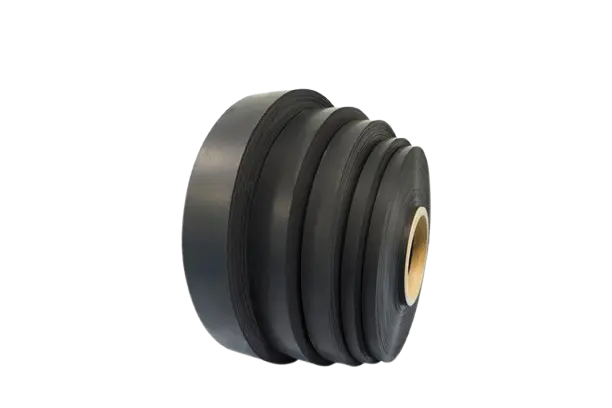
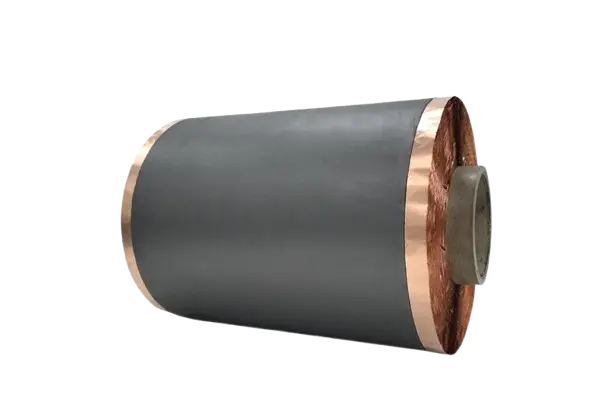
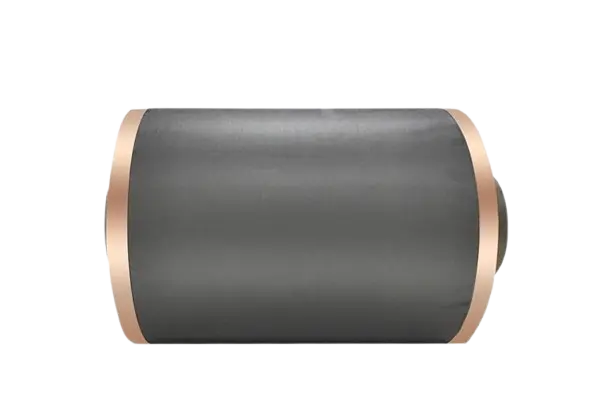
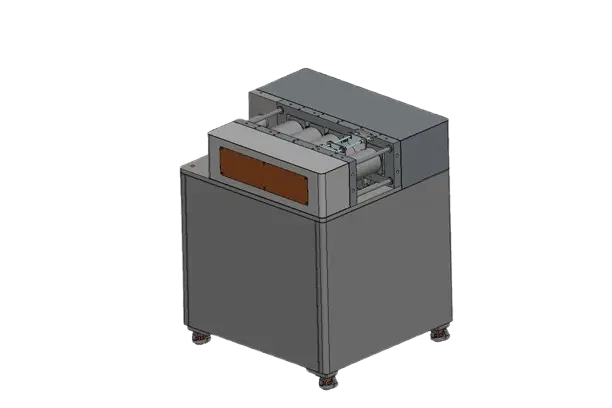
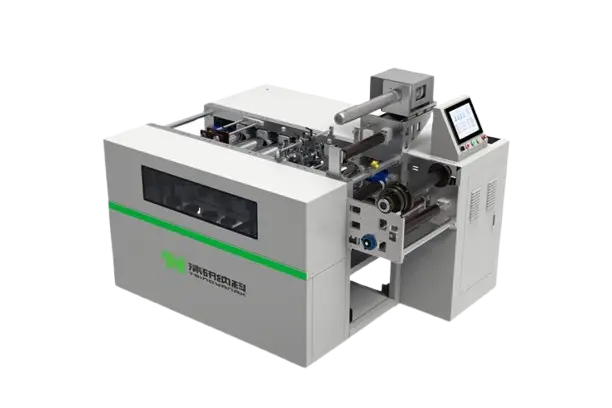
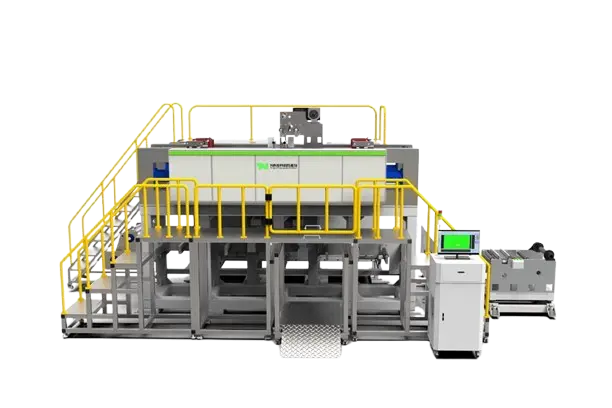
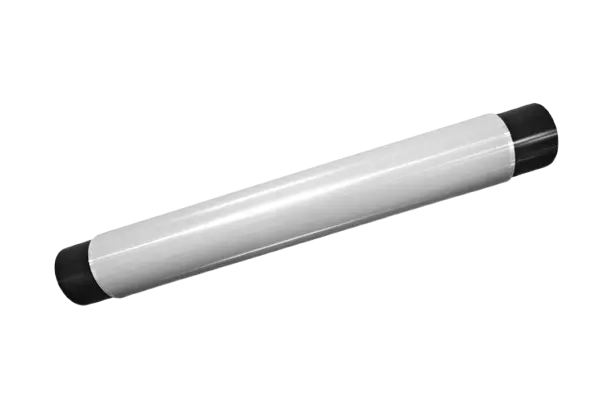
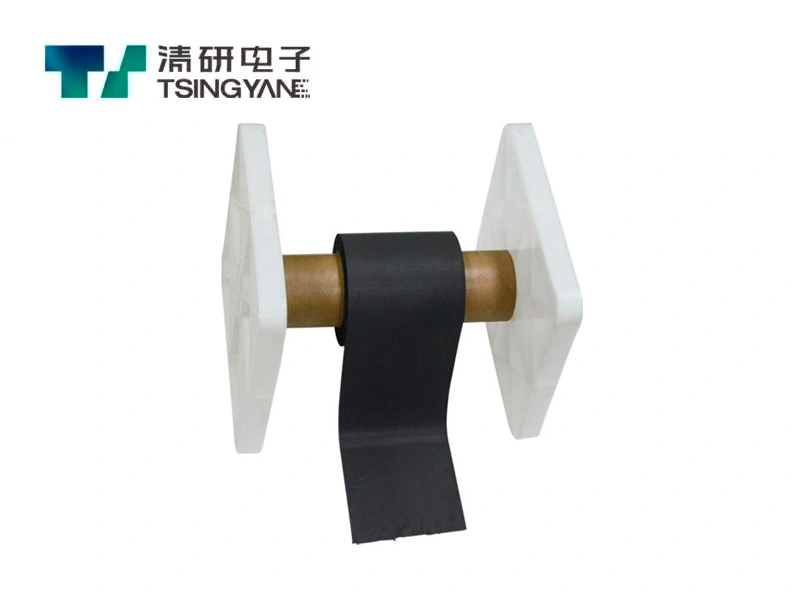
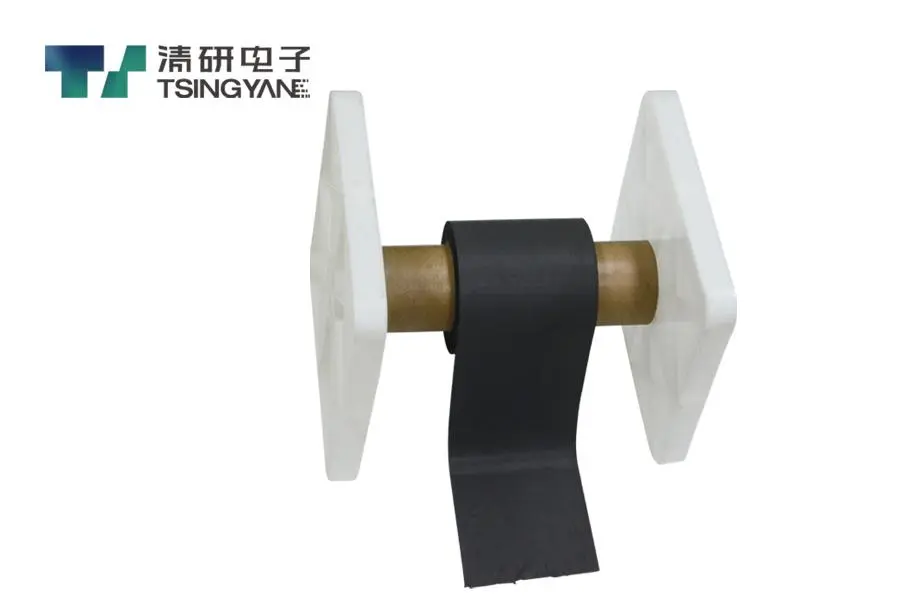
The dry electrode coating process is poised to transform lithium-ion battery production by offering a sustainable, cost-effective, and high-performance alternative to traditional wet slurry methods. B...

 English
 日本語
日本語 한국어
한국어 français
 Deutsch
 Español
 italiano
 русский
 português
 العربية
 tiếng việt